
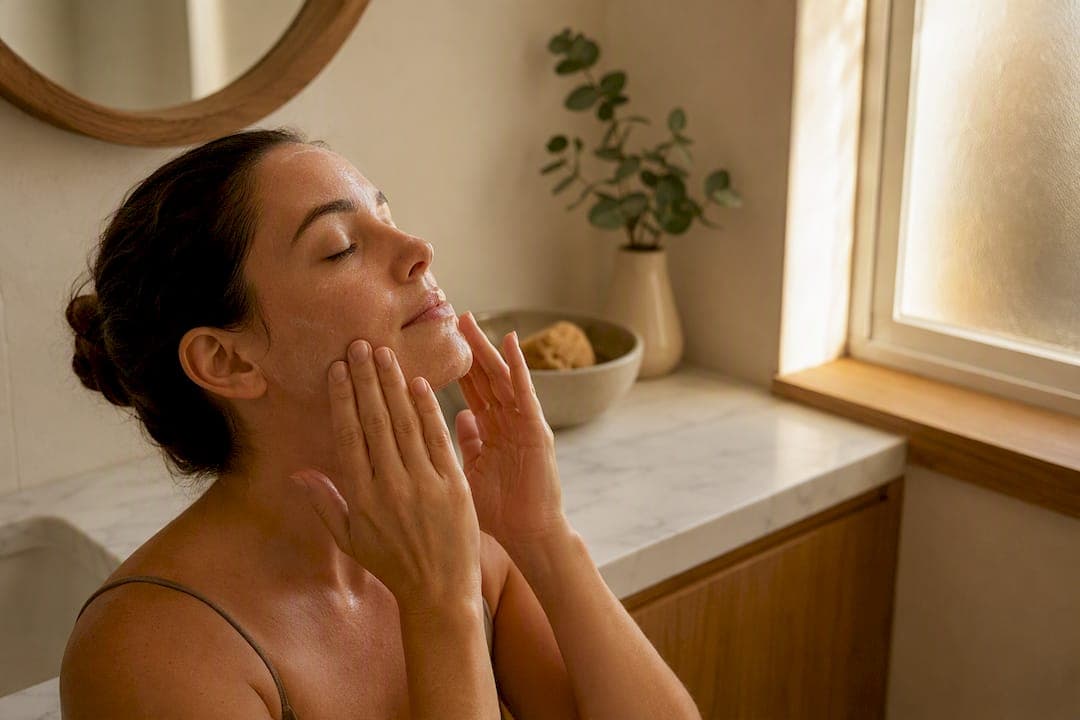
The evidence is clear on four fronts: body rituals lower stress and anxiety, support circulation and lymphatic flow, sharpen skin radiance and product absorption, and ease muscle soreness after a hard day or workout. You do not need an hour or a cabinet of products to feel this. Pick one five to ten minute ritual, such as self-massage, dry brushing, or a slow, mindful shower, and repeat it daily for two weeks before judging results.
- Calmer nervous system, measured through lower self-reported anxiety and heart rate in pre-performance ritual studies
- Better circulation and lymphatic movement from massage, heat, and gentle pressure
- Visibly clearer skin thanks to exfoliation, improved product penetration, and reduced puffiness
- Looser muscles and quicker recovery after strain or exercise
If two weeks of home practice leaves you wanting deeper, guided results, Houseofwellnesssg in Tanjong Pagar can turn that daily habit into a professional session built around your skin and body.
Key Takeaways
Body rituals work because intentional, repeated physical practice lowers measured anxiety, supports circulation, and improves skin and muscle recovery more reliably than the same actions done without attention.
| Point | Details |
|---|---|
| Start small and daily | A five to ten minute ritual like dry brushing or self-massage builds consistency faster than an elaborate weekly routine. |
| Labeling matters | Calling a practice a ritual instead of a chore measurably increases its anxiety-reducing effect. |
| Match ritual to goal | Use gua sha and dry brushing for circulation, self-massage for tension, and scrubs for skin texture. |
| Professional work goes deeper | Lymphatic drainage, cryotherapy, and radiofrequency sessions reach tissue and results home tools cannot. |
| Houseofwellnesssg extends your routine | Tanjong Pagar sessions like the 90 minute ideal balance combine skinwork and relaxation with personalized aftercare guidance. |
Table of Contents
- What Counts as a Body Ritual, and Why Intention Matters
- What Are the Real Benefits of a Body Ritual?
- Which Body Rituals Should You Try First?
- How to Build a Simple Body Ritual at Home
- What to Expect From a Professional Body Ritual Session in Singapore
- Why Rituals Work: What the Research Actually Shows
- Extend Your Ritual With a Guided Session at House of Wellness
- Frequently Asked Questions
- Sources
What Counts as a Body Ritual, and Why Intention Matters
A body ritual is a repeated physical act performed with attention and meaning, not just checked off a to-do list. The difference between a ritual and a routine is not the action itself. It is whether you show up for it on purpose.
Research on ritual psychology backs this up directly. When the same physical action is labeled a ritual instead of a routine task, participants report a stronger drop in anxiety, even though nothing about the physical movement changed. The label alone shifts how the brain processes the act.
In Singapore's climate, this matters more than it sounds. Between humidity, air-conditioned offices, and long commutes, skin and muscles take a daily beating. Turning an evening shower or a two-minute facial massage into a proper ritual, meaning you slow down and pay attention, gives your body a signal of control that a rushed routine never delivers.
- Repetition builds the habit
- Intention builds the psychological payoff
- Sensory cues (scent, texture, warmth) anchor your attention and make the ritual stick
A 2024 Harvard Business Review synthesis found that daily rituals, even simple ones, measurably improve focus and wellbeing for busy professionals, which is exactly the population most likely to skip self-care entirely.
What Are the Real Benefits of a Body Ritual?
The benefits split into four categories, and the strength of evidence behind each one varies more than most wellness content admits.
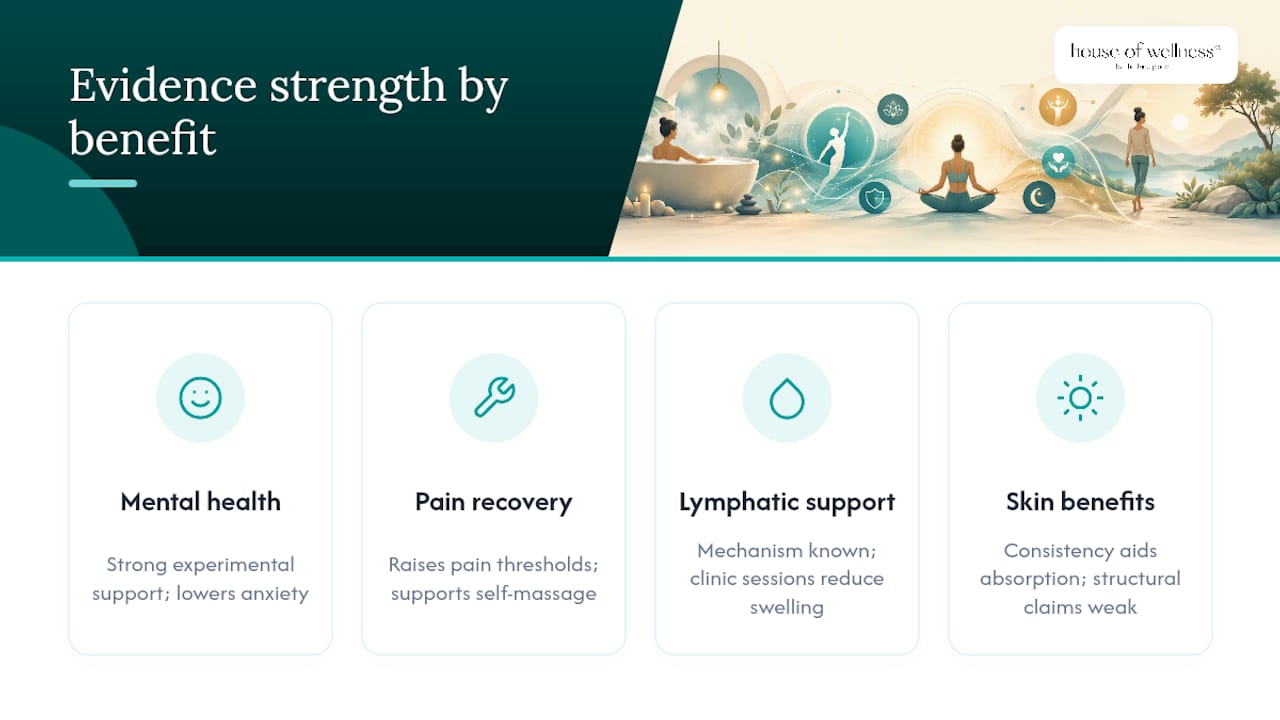
Mental health and stress relief has the strongest research base of the group. Experiments show that performing a ritual before a high-pressure task lowers heart rate and self-reported anxiety compared to doing nothing at all. This holds whether the ritual is religious, secular, or entirely personal, like a specific way you wash your face before a big meeting.
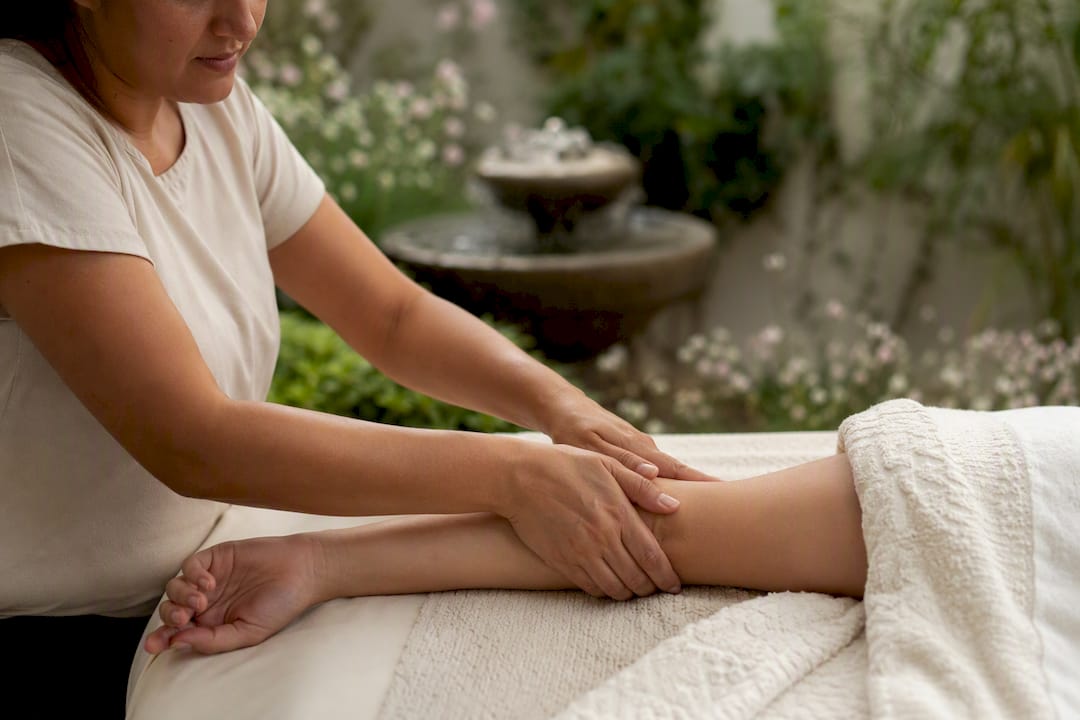
Circulation and lymphatic support comes from mechanisms that are well understood: massage pressure, heat, and movement all encourage fluid exchange in tissue. Clinic-level lymphatic drainage sessions can reduce visible swelling and support recovery, though claims about "flushing toxins" overstate what the body actually does. Think reduced puffiness and lighter limbs, not a detox in the marketing sense.
Skin benefits are mostly about consistency, not complexity. Exfoliation and massage improve how well serums and moisturizers absorb, and regular touch reduces puffiness around the eyes and jawline. A simple daily habit outperforms an elaborate routine done twice a month.
Pain and muscle recovery responds well to self-massage and targeted professional therapies. Group ritual participation has even been shown to raise pain thresholds and strengthen social bonding, a benefit most people never connect to a spa visit or a shared wellness practice.
Here is the honest caveat: anxiety reduction and social bonding have strong experimental support. Detox and deep structural skin change are weaker claims, resting more on mechanism and practitioner experience than hard trial data. Keep expectations grounded in the first category and treat the second as a pleasant bonus.
Which Body Rituals Should You Try First?
Different rituals produce different effects, so matching the practice to the goal saves you time. Some belong at home. Others need a trained hand.
- Self-massage: five minutes on shoulders, neck, or calves eases tension and improves local circulation; safe daily, avoid over bruised or injured tissue.
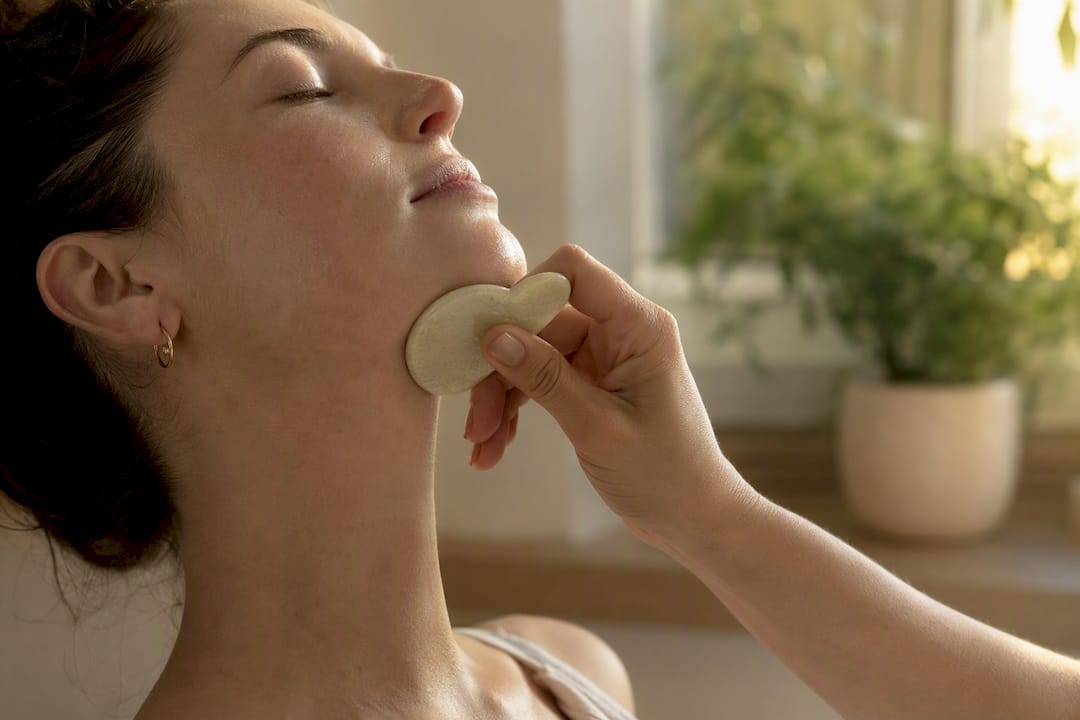
- Facial gua sha: a jade or rose quartz tool scraped gently along the jaw and cheekbones, rooted in traditional Chinese medicine, reduces puffiness and boosts blood flow; use two to three times weekly, skip over active acne or broken skin.
- Dry brushing: firm strokes toward the heart before showering stimulate circulation and slough dead skin; do it three to four times a week, not on sunburned or irritated skin.
- Body scrubs and wraps: exfoliation followed by hydration leaves skin smoother and more receptive to moisturizer; weekly is plenty for most skin types.
- Professional lymphatic drainage: machine-assisted or hand-massage sessions target swelling and sluggish circulation more precisely than home tools can.
- Cryotherapy and radiofrequency: clinic-only modalities using cold exposure or heat-based skin tightening to firm tissue and support recovery, best done under professional guidance with a proper consult first.
How to Build a Simple Body Ritual at Home
Consistency beats intensity here. A short sequence done daily outperforms an elaborate one done rarely.
- Dry brush for one to two minutes, working toward your heart
- Take a warm (not scalding) shower or bath
- Moisturize while skin is still slightly damp
- Finish with sixty seconds of gentle facial massage or gua sha strokes
Cue this to something you already do, like right after your morning coffee or before you brush your teeth at night. Habits stack better on existing habits than on willpower alone.
- Patch-test any new oil or product on your inner arm for 24 hours first
- Use light pressure with gua sha or rollers; redness that lingers past a few minutes means you pressed too hard
- Stop and see a doctor if you notice unusual swelling, persistent pain, or skin reactions
Pro Tip: Track your ritual on a simple calendar or phone note for two weeks. Seeing an unbroken streak does more for consistency than any motivational quote.
What to Expect From a Professional Body Ritual Session in Singapore
Professional sessions in Singapore typically run 45 to 90 minutes, with pricing that varies by treatment complexity, from a straightforward massage on the lower end to specialized cryotherapy or radiofrequency sessions on the higher end. Expect a consultation before any machine-based treatment touches your skin.
Before booking, ask these questions:
- What are your therapist's certifications, and how many sessions like this have they done?
- Will you patch-test any chemical or resurfacing product before the full treatment?
- What does aftercare look like, and how many sessions before I see results?
Watch for red flags: aggressive upselling before you've even discussed your goals, no patch-test offered for anything chemical, or a therapist who cannot explain basic contraindications. A reputable clinic should welcome your questions, not rush past them.
Why Rituals Work: What the Research Actually Shows
The psychological mechanism is simpler than it sounds. Labeling an action as a ritual adds meaning, meaning sharpens attention, and focused attention crowds out anxious thoughts. Add the physical completion of a task, like finishing a massage sequence, and you get a felt sense of control that raw routine rarely provides.
- Intentionality and labeling amplify anxiety reduction beyond what the same physical action delivers unlabeled
- Ritual participation, even secular and solo, can lower heart rate and boost performance under pressure
- Group rituals strengthen social bonding and can raise pain tolerance
Three sources anchor this: the Berkeley-based experimental work on ritual psychology, BBC Future's coverage of ritual and uncertainty, and the Harvard performance-anxiety study. The practical takeaway: treat rituals as a genuine anxiety-management tool, not a cure-all, and keep more ambitious claims about detox or long-term structural change in perspective.
A Practitioner's Note on Combining Home and Clinic Care
Short daily rituals build the foundation, but a guided professional session a few times a month reaches tissue and tension that a bathroom routine cannot touch. Always mention allergies, skin sensitivities, and medical history before any treatment. Personalization is what makes the difference between a nice hour and real results.
Extend Your Ritual With a Guided Session at House of Wellness
Houseofwellnesssg gives you what a home routine cannot: trained hands, targeted equipment, and a treatment plan built around your specific skin and muscle tension rather than a generic spa menu. Where dry brushing and self-massage go as far as your own reach and strength allow, a session combining lymphatic drainage, cryotherapy, or radiofrequency body sculpting works deeper tissue and delivers visible contouring you simply cannot replicate at home.

A visit starts with a real consultation, not a sales pitch, covering your skin history, sensitivities, and goals before anything touches your skin. Expect a patch test where relevant and clear aftercare guidance so your at-home rituals reinforce what the session just did. The 90 minute ideal balance of skinwork and relaxation session is a strong starting point if you want one treatment that touches both skin and muscle tension in a single visit. Houseofwellnesssg is located in Tanjong Pagar, and you can check current openings and book an appointment online whenever your schedule allows.
Frequently Asked Questions
How long before I notice body ritual benefits? Most people notice reduced tension and calmer mood within the first week of a daily ritual. Visible skin changes, like improved texture or reduced puffiness, usually take two to three weeks of consistent practice.
Can body rituals really reduce anxiety, or is that just marketing? The anxiety-reduction effect has real experimental backing. Studies measuring heart rate and self-reported stress before high-pressure tasks found rituals lower both, even when the ritual is entirely secular and personal.
Do I need expensive tools to start a body ritual? No. A dry brush, a basic gua sha tool, or simply your own hands are enough to start. Consistency matters far more than the price of your equipment.
How often should I book a professional session versus practicing at home? Home rituals work well daily. Professional treatments like lymphatic drainage or radiofrequency are typically spaced weeks apart, so a short course of sessions paired with daily home practice tends to produce the most noticeable results.
Sources
- Psychology of Rituals (Hobson et al., faculty Haas Berkeley PDF)
- How rituals help us to deal with uncertainty and stress (BBC Future)
- The research-backed benefits of daily rituals (Harvard Business Review)
- Research indicating rituals reduce performance anxiety (Harvard dash repository)