
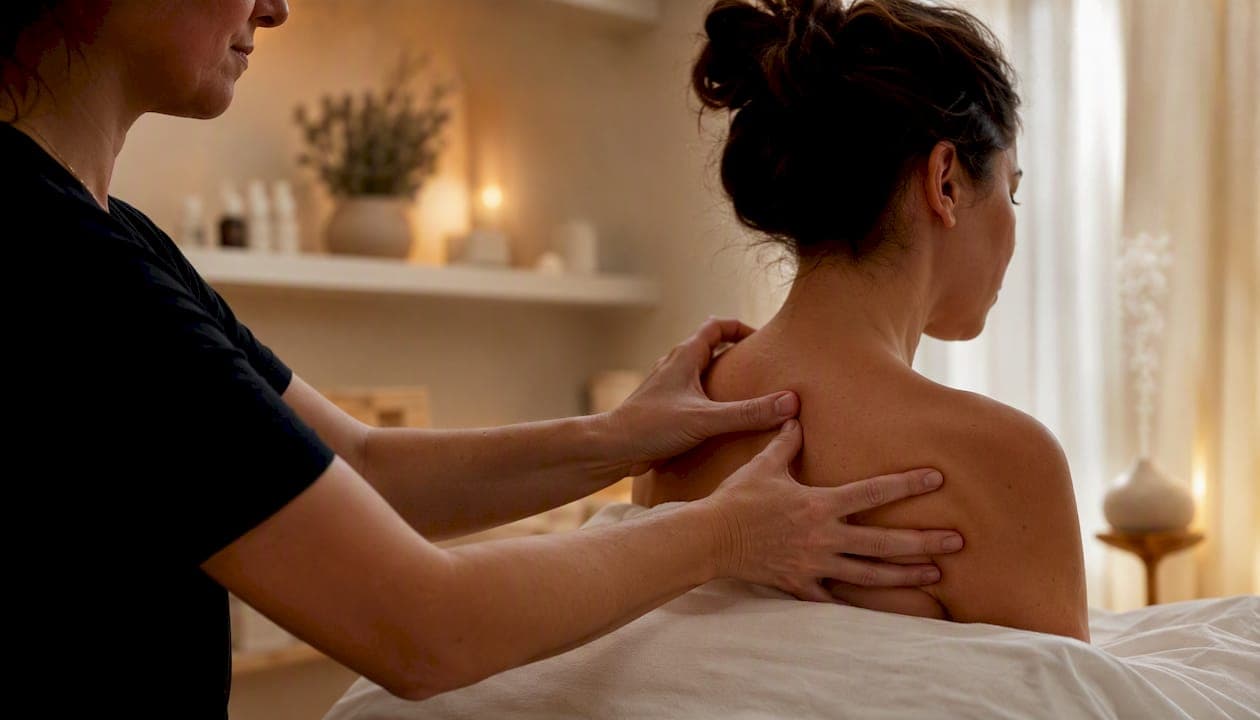
Lymphatic drainage massage delivers real, evidence-backed benefits — reduced swelling, improved skin puffiness, genuine relaxation, and meaningful support for post-surgical recovery. The Cleveland Clinic recognizes it as an evidence-based treatment for lymphedema, and UCLA Health confirms measurable wellness effects for healthy people, while cautioning that it does not "detox" your organs. That distinction matters for anyone in Singapore weighing whether to book a session.
The core detox massage benefits you can realistically expect:
- Reduced swelling and fluid retention, particularly after surgery or in lymphedema management
- Softer, less puffy skin on the face and body, with a temporary improvement in radiance
- Parasympathetic activation, meaning a genuine, measurable shift toward calm and lower stress
- Supported recovery after injury, surgery, or periods of inflammation
Key Takeaways
Lymphatic drainage massage delivers real, specific benefits — reduced swelling, improved skin puffiness, and genuine relaxation — but it supports your body's natural processes rather than replacing the detox work your liver and kidneys do every day.
| Point | Details |
|---|---|
| Evidence-backed benefits | MLD reliably reduces swelling, supports lymphedema management, improves skin puffiness, and activates the parasympathetic nervous system. |
| 'Detox' is a metaphor | Massage mobilizes metabolic byproducts into circulation; your liver and kidneys do the actual filtering, not the massage. |
| Frequency matters | Clinical conditions need multiple sessions weekly; wellness maintenance works well on a monthly schedule once a baseline is established. |
| Safety comes first | Active DVT, congestive heart failure, acute infection, and uncontrolled cancer are contraindications; always disclose your health history before booking. |
| Choose a certified therapist | Look for recognized MLD certification (Vodder School or equivalent) and a full health history intake before your first session. |
| Houseofwellnesssg approach | Lymphatic drainage is integrated with radiofrequency, cryotherapy, and microcurrent at Houseofwellnesssg for a customized, multi-modality treatment plan in Singapore. |
Table of Contents
- What are the detox massage benefits of lymphatic drainage?
- What can lymphatic drainage massage realistically do for you?
- What does 'detox' actually mean after a massage?
- Who is most likely to benefit from lymphatic drainage?
- What happens during and after a session?
- How often should you get lymphatic drainage massage?
- When should you NOT have lymphatic drainage?
- How do you choose a qualified therapist in Singapore?
- House of Wellness: lymphatic drainage as part of holistic care in Singapore
- The gap between what 'detox massage' promises and what actually matters
- Lymphatic drainage at Houseofwellnesssg: what to expect when you book
- Sources
What are the detox massage benefits of lymphatic drainage?
Manual lymphatic drainage (MLD) is a specialized massage technique that uses very light pressure and rhythmic skin-stretching movements to stimulate the lymphatic vessels just beneath the skin's surface. Unlike deep tissue or sports massage, which targets muscle and connective tissue with firm pressure, MLD works at the dermal level. Applying too much force actually collapses the superficial lymph vessels and makes the treatment less effective, as the Cleveland Clinic notes.
The lymphatic system is essentially your body's drainage network: it collects excess fluid, immune cells, and cellular waste from tissues and returns them to the bloodstream for processing. When that network is sluggish or compromised, fluid pools, tissues swell, and you feel heavy or puffy. MLD encourages that flow mechanically.
Common techniques you may encounter:
- Vodder-influenced MLD: The most widely taught method, using stationary circles and pump strokes in a precise sequence from the neck downward
- Lymphatic drainage therapy (LDT): A variation that incorporates subtle pulsing movements to follow the body's natural lymph rhythm
- Lympho-fascial release: Combines gentle fascial work with lymphatic strokes to address both fluid movement and connective tissue tension
- Adjunct tools: Light cupping, compression garments, and pneumatic compression devices are sometimes used alongside manual work to sustain the drainage effect between sessions
The pressure used in genuine MLD is noticeably lighter than a standard relaxation massage. If a therapist is pressing hard enough to feel like a conventional massage, they are likely not performing true MLD.
What can lymphatic drainage massage realistically do for you?
Each benefit below reflects what clinical evidence and expert consensus actually support, not what marketing copy promises.
Reduces swelling and fluid retention. This is the most clinically robust benefit. MLD is a recognized treatment for lymphedema, particularly after breast cancer surgery, where it moves fluid away from congested areas to reduce swelling and restore joint mobility. WebMD's clinical summary confirms that lymphatic drainage can reduce swelling, improve comfort, and support quality of life in conditions like lymphedema and chronic venous insufficiency (CVI).
Improves facial and body puffiness. For wellness clients without a medical diagnosis, the most visible result is reduced puffiness, particularly around the face, jaw, and under the eyes. This happens because MLD lowers interstitial fluid pressure in the tissue. The effect is real but temporary without consistent sessions or lifestyle support. Pairing lymphatic work with a treatment like Hydrodiamond can amplify skin radiance alongside the de-puffing effect.
Activates the parasympathetic nervous system. The slow, rhythmic nature of MLD signals the nervous system to shift into rest-and-digest mode. Many people feel drowsy during a session and noticeably calmer afterward. This is not a placebo effect; it reflects a measurable reduction in sympathetic nervous system activity, which is why MLD is sometimes used in stress-related conditions and fibromyalgia symptom management.

Supports post-surgical and injury recovery. After procedures that disrupt lymph nodes or cause significant tissue trauma, MLD helps clear the inflammatory fluid that slows healing. It complements physiotherapy by reducing the swelling that limits range of motion.
May help with venous insufficiency and inflammatory conditions. Evidence here is more variable. For fibromyalgia, some trials report reduced pain and fatigue, though the research base is smaller.
Pro Tip: Drink at least two glasses of water before your session and plan to rest afterward. Hydration gives your lymph and circulatory systems the fluid they need to carry mobilized waste to your kidneys and liver for processing.
What does 'detox' actually mean after a massage?
The word "detox" in wellness marketing often implies that massage flushes harmful substances from your body. The physiological reality is more specific and more honest.
Your liver and kidneys are your actual detox organs. They filter blood continuously, and no massage technique changes how they function. What MLD does is mobilize metabolic byproducts — things like lactic acid and inflammatory fluid — from the tissue spaces into the lymph and circulatory systems, where those organs can then process them. USA Today's reporting on this topic describes "toxin release" after massage as exactly that: mobilization of metabolic byproducts and inflammatory fluid, not direct organ cleansing by the massage itself.
UCLA Health is direct on this point: a healthy lymphatic system is largely self-regulating, and evidence for systemic detox or major immune boosts from MLD in healthy people is weak. The real value for most wellness clients lies in relaxation, reduced local fluid pressure, and symptom relief.
What you should expect from a detox massage: Reduced puffiness, a calmer nervous system, and support for your body's natural fluid management. What you should not expect: dramatic weight loss, organ cleansing, or a substitute for medical treatment. Massage is supportive care. Your liver and kidneys do the actual filtering, and lifestyle measures — hydration, movement, nutrition — remain the primary levers for systemic health. (Ubie Health)
What people often describe as "toxin release" after massage:
- Temporary muscle soreness or fatigue as lactic acid moves into circulation
- Increased thirst as the body signals its need for more fluid
- Mild headache if hydration is inadequate after the session
- A sense of lightness as interstitial fluid pressure decreases
None of these are signs of organ detoxification. They are normal physiological responses to fluid mobilization.
Who is most likely to benefit from lymphatic drainage?
The answer depends heavily on why you are booking.
Clear clinical indications where evidence is strongest:
- Lymphedema following cancer surgery (especially breast cancer)
- Post-surgical swelling after procedures like liposuction, joint replacement, or reconstructive surgery
- Chronic venous insufficiency with associated leg swelling
- Fibromyalgia and certain inflammatory conditions, for symptom relief
- Post-injury swelling during rehabilitation
Wellness uses with real but more modest outcomes:
- Facial de-puffing and temporary improvement in skin tone
- Relaxation and stress reduction
- A sense of reduced heaviness after long flights or sedentary periods
Healthy people with no specific condition can enjoy the relaxation and cosmetic effects. What they are unlikely to experience is a meaningful "cleanse" of their system. If you are booking primarily for systemic detox, the evidence does not support that outcome strongly. If you are booking for relaxation, de-puffing, or recovery support, you are likely to leave satisfied.
If you suspect a medical condition — persistent unexplained swelling, leg pain, or post-cancer lymph node changes — consult a physician before booking. MLD can be part of a treatment plan, but a diagnosis should come first.
What happens during and after a session?
A typical lymphatic drainage session at a qualified clinic runs 60–90 minutes. The therapist begins with a brief assessment of your health history and goals, then works through a structured sequence that usually starts at the neck (where major lymph nodes cluster) before moving to the target areas of the body.
During the session, you can expect:
- Very light pressure, more like a gentle skin stretch than a massage
- Slow, rhythmic strokes that follow the direction of lymph flow
- A warm, drowsy feeling as the parasympathetic nervous system activates
- Occasional mild gurgling sensations as fluid moves through the abdomen
Normal aftereffects in the first 24 hours:
- Increased urge to urinate as the body processes mobilized fluid
- Thirst and mild fatigue
- Temporary soreness in treated areas, usually mild
Cosmetic changes — reduced facial puffiness, a lighter feeling in the legs — often appear within hours of a session. For clinical conditions like lymphedema, meaningful symptom improvement typically requires multiple sessions over several weeks. Hydration after treatment is not optional; the lymph and circulatory systems need adequate fluid to carry mobilized waste to the organs that filter it, and skipping water after a session can worsen temporary side effects like headache or nausea.
How often should you get lymphatic drainage massage?
Frequency depends on your goal.
For acute clinical conditions (lymphedema, post-surgical swelling):
- Intensive phase: multiple sessions per week for several weeks, often as part of a complete decongestive therapy program that includes compression garments and exercise
- Maintenance phase: monthly or as-needed sessions once swelling is controlled
For wellness and cosmetic purposes:
- A course of 4–6 sessions spaced one to two weeks apart gives you a baseline sense of the treatment's effect
- Monthly maintenance sessions work well for most people once they find a rhythm that suits their lifestyle
Progress in clinical cases is measured by changes in limb circumference, symptom scores, and skin condition. For wellness clients, the markers are simpler: how your skin looks, how light your body feels, and how well you sleep after sessions.
Combining massage with compression garments, regular movement, and good hydration produces better outcomes than massage alone, particularly for conditions like lymphedema or CVI. If you complete a course of sessions and see no meaningful change, that is a signal to re-evaluate with your physician rather than simply booking more appointments.
When should you NOT have lymphatic drainage?
Some conditions make MLD unsafe without medical clearance, and a few make it inadvisable altogether.
Absolute or common contraindications:
- Active infection or fever (MLD can spread infection through the lymph system)
- Deep vein thrombosis (DVT) or suspected blood clots
- Congestive heart failure (fluid mobilization can overload the heart)
- Uncontrolled or active cancer in the treatment area
- Acute inflammation or open wounds in the target area
Conditions requiring physician clearance before booking:
- Cardiovascular disease or recent cardiac events
- Pregnancy (especially first trimester)
- Recent major surgery (timing and site-specific guidance from your surgeon is needed)
- Kidney disease (impaired ability to process mobilized fluid)
Safety first: If you experience sudden swelling, chest pain, shortness of breath, or a painful, warm, red limb after a session, seek medical attention immediately. These symptoms can indicate a serious condition that requires urgent care, not a follow-up massage.
Practical safety checks to ask any therapist before you book:
- What is your MLD certification and training background?
- Do you conduct a health history assessment before every session?
- What are your contraindication protocols?
- What should I do if I feel unwell after the session?
A therapist who cannot answer these questions clearly is a red flag.
How do you choose a qualified therapist in Singapore?
Singapore's wellness market is active and growing, with lymphatic drainage available across spas, physiotherapy clinics, and dedicated wellness centers. That accessibility is convenient, but it also means provider quality varies considerably.
Credentials and training to look for:
- Certified Manual Lymphatic Drainage training (look for Vodder School, Klose Training, or equivalent internationally recognized programs)
- Physiotherapy or occupational therapy background for clinical lymphedema cases
- Demonstrated experience with post-surgical or oncology clients if that is your situation
Questions to ask before booking:
- What certification do you hold in MLD, and where did you train?
- Do you conduct a full health history intake before the first session?
- How do you set session goals and measure progress?
- What aftercare do you recommend, and what should I watch for?
- Do you work with physicians or physiotherapists for clinical cases?
Red flags to avoid:
- Therapists who claim deep pressure is part of their "detox" technique (it collapses lymph vessels)
- Guarantees of systemic cleansing, dramatic weight loss, or immune system overhaul
- No medical screening or health history intake
- Pressure to purchase large packages before you have experienced a single session
On cost in Singapore: Pricing for lymphatic drainage sessions in Singapore varies based on session length, the therapist's qualifications, and the clinic's location. Wellness spa sessions tend to be more accessible in price, while sessions at physiotherapy or medical clinics with certified MLD therapists typically reflect the clinical training involved. Checking whether a clinic's therapists hold recognized MLD certification is a better guide to value than price alone.
Pro Tip: Ask specifically whether the therapist holds a recognized MLD certification rather than a general massage license. The technique is distinct enough that general massage training does not prepare a therapist to perform it correctly.
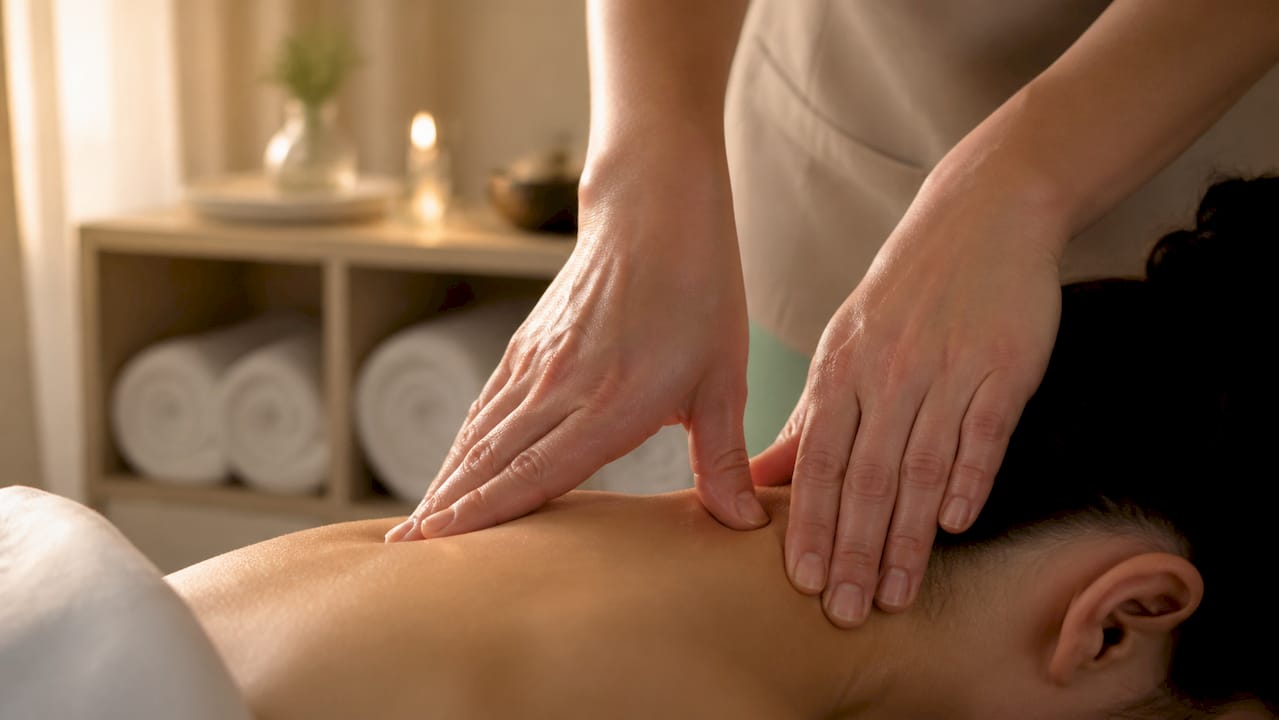
House of Wellness: lymphatic drainage as part of holistic care in Singapore
At Houseofwellnesssg, lymphatic drainage is not offered in isolation. It sits within a multi-modality treatment philosophy that treats your skin and body as interconnected systems, which is how it should be approached.
Services that pair naturally with lymphatic work at Houseofwellnesssg:
- Lymphatic drainage massage suit for full-body fluid management and de-puffing
- Microcurrent sculpting to improve skin tone and muscle definition alongside lymphatic sessions
- Cryotherapy for its complementary effect on inflammation and skin tightening
- Wood ice sculpting for facial contouring and puffiness reduction
- Eye brightening treatment for clients targeting periorbital puffiness specifically
Every client begins with a thorough assessment of their skin condition, health history, and treatment goals. From there, the team builds a customized plan that may combine lymphatic techniques with radiofrequency heat, cryotherapy, or advanced skincare using Sothys and Dermalogica products. The aim is always your comfort and your results, without the pressure of a sales-driven environment.
For clients who want a complete wellness experience, the 90-minute balance session pairs relaxation-focused bodywork with targeted skinwork in a single appointment.
The gap between what 'detox massage' promises and what actually matters
The wellness industry's use of "detox" language around massage is not dishonest, but imprecise, and that imprecision creates unrealistic expectations that leave clients disappointed. Here is what the evidence actually shows: lymphatic drainage is a genuinely useful therapy, but its value is specific and bounded.
For someone managing lymphedema after cancer treatment, a qualified MLD therapist is not a luxury. It is part of a clinical protocol that reduces swelling, restores mobility, and improves quality of life in ways that are well-documented. For a busy professional in Singapore who wants to feel lighter, sleep better, and see less puffiness in the mirror, a regular lymphatic session can deliver exactly that, provided the expectations are calibrated correctly.
The mistake most people make is expecting massage to do what lifestyle does. Hydration, movement, sleep, and nutrition are the primary drivers of lymphatic health. Massage is a meaningful adjunct, not a replacement. At Houseofwellnesssg, the approach reflects this: lymphatic work is integrated into a broader treatment plan, and clients are guided toward the lifestyle habits that make each session more effective and longer-lasting.
What the research does not support is the idea that a single "detox massage" session will cleanse your system, reset your metabolism, or produce lasting weight loss. What it does support is that consistent, qualified lymphatic drainage, combined with good aftercare, produces real and noticeable improvements in swelling, skin appearance, and how your body feels day to day.
Lymphatic drainage at Houseofwellnesssg: what to expect when you book
Houseofwellnesssg offers lymphatic drainage as part of a thoughtfully designed wellness experience at its Tanjong Pagar clinic in Singapore. The first visit includes a health history review and a brief consultation so your therapist understands your goals, any contraindications, and which combination of treatments will serve you best.

For clients focused on de-puffing and skin radiance, the spa pedicure: the ultimate self-care treatment pairs beautifully with lymphatic work. Those seeking full-body recovery and relaxation will find the ProRestore session a natural fit. Arrive well-hydrated, wear comfortable clothing, and plan for a quiet hour or two afterward. Booking is straightforward through the clinic's online system or by phone, and the team is happy to answer questions about which session suits your needs before you commit.
You can also explore the full range of treatments at House of Wellness to find the combination that feels right for where you are in your wellness journey. For a complete experience that balances skinwork and relaxation in one appointment, the 90-minute session is a strong starting point.
Sources
These are the primary sources used throughout this article, each chosen for its clinical authority or evidence-aware journalism:
- Lymphatic Drainage Massage: What It Is & Benefits
- Lymphatic drainage massage — separating fact from fiction | UCLA Health
- Lymph Drainage Massage: Benefits and Risks - WebMD
- What toxins are released after massage? The actual benefits
- Stop! The Truth About Lymphatic Drainage Detox | Doctor’s Note | Ubie Doctor's Note
This article is general information, not a substitute for advice from a qualified doctor. Consult a qualified healthcare professional about your own circumstances before acting on anything here.