
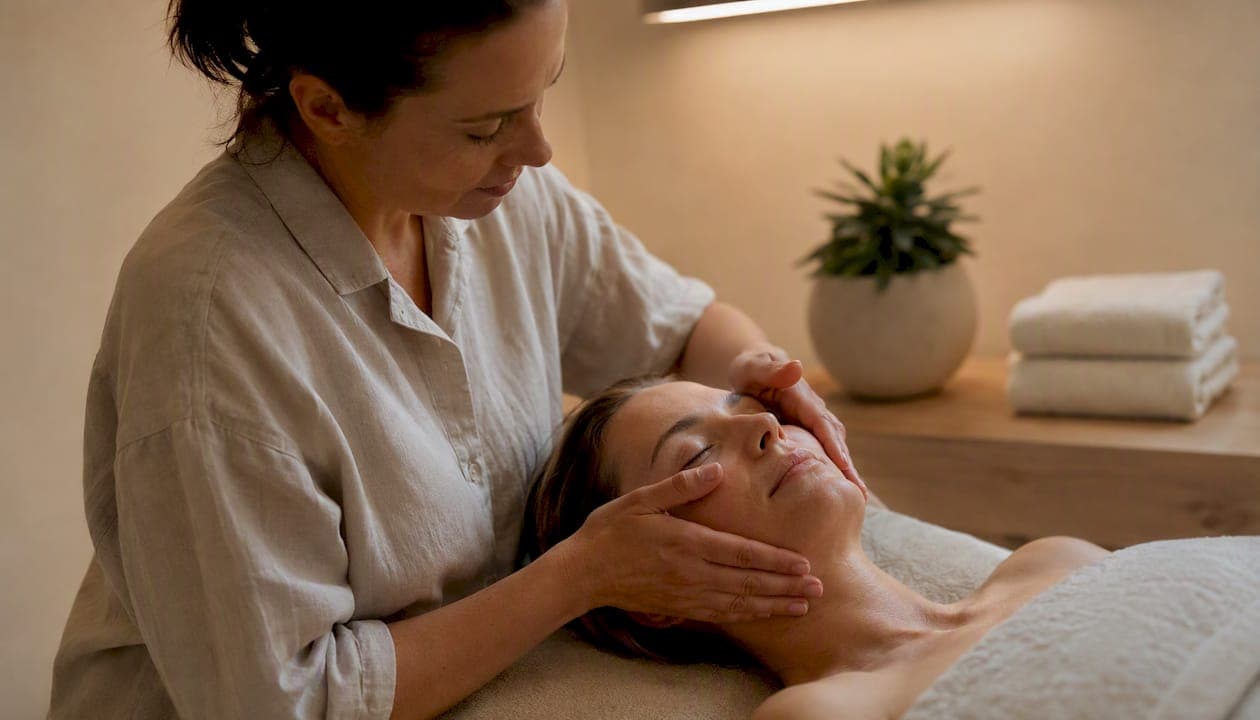
A cold compress held briefly, a few minutes of gentle lymphatic massage moving fluid toward your ears and neck, and sleeping with your head elevated the night before — these three steps reliably reduce visible facial puffiness within minutes. For persistent or recurring swelling that doesn't respond to morning fixes, a clinician-led session at Houseofwellnesssg in Singapore combines manual lymphatic drainage, radiofrequency, and professional-grade Sothys and Dermalogica products to address puffiness at its source.
Your 2-minute morning depuffing checklist:
- Splash your face with cold water or press a chilled damp cloth against your cheeks and under-eyes for 60 seconds.
- Using clean fingertips or a chilled facial roller, sweep gently from the center of your face outward, then down toward your neck.
- Apply a caffeine-containing eye product by tapping lightly along the orbital bone.
- Sit upright for at least 10 minutes before leaving the house — gravity helps.
Pro Tip: Keep your jade roller or gua sha tool in the refrigerator overnight. The chill amplifies the vasoconstrictive effect and makes the morning routine feel genuinely refreshing.
Key Takeaways
Effective facial puffiness management combines immediate at-home steps, consistent lifestyle habits, and targeted professional treatment matched to the actual cause.
| Point | Details |
|---|---|
| Start with cold and massage | A chilled compress plus 2–3 minutes of lymphatic massage reduces visible puffiness within minutes. |
| Prevention beats correction | Limiting late-night sodium and alcohol, staying hydrated, and elevating your head during sleep stops puffiness before it starts. |
| Match treatment to cause | Fluid puffiness responds to MLD and lifestyle changes; laxity responds to radiofrequency or microcurrent; jaw tension needs gua sha or medical review. |
| Know when to see a doctor | Sudden, painful, asymmetric, or persistent swelling with fever or breathing difficulty needs medical care, not a facial. |
| Houseofwellnesssg for persistent cases | Houseofwellnesssg offers clinician-assessed, customizable sessions using Sothys, Dermalogica, radiofrequency, microcurrent, and lymphatic drainage for recurring puffiness in Singapore. |
Table of Contents
- What causes facial puffiness — and how do you tell temporary from persistent?
- How to depuff your face fast — a step-by-step morning routine
- Daily habits that reduce recurring facial puffiness
- Which clinic treatments in Singapore actually reduce facial puffiness?
- How Houseofwellnesssg approaches facial puffiness treatment
- How to choose the right clinic and what to ask before you book
- When facial puffiness needs a doctor, not a spa
- What most people get wrong about depuffing — and what to do instead
- Persistent puffiness deserves more than a morning routine
- Sources
What causes facial puffiness — and how do you tell temporary from persistent?
Facial puffiness, clinically described as facial edema, happens when excess fluid accumulates in the soft tissue beneath the skin. Most morning puffiness is temporary and resolves within an hour of waking and moving around. Knowing the cause helps you choose the right fix.
Common causes:
- Fluid retention from salt and alcohol: High-sodium meals and alcohol draw water into tissue and slow lymphatic clearance overnight.
- Sleep position: Lying flat allows fluid to pool in the face; sleeping on your side can worsen one-sided puffiness.
- Allergies and sinus congestion: Histamine release causes localized swelling, particularly around the eyes and nose.
- Medication-related edema: Certain blood pressure medications, corticosteroids, and antihistamines list facial swelling as a side effect.
- Jaw clenching and teeth grinding (TMJ): Chronic tension in the masseter muscle can create visible jaw and cheek fullness.
- Age-related volume shifts and skin laxity: As collagen decreases, the face loses structural support, making fluid more visible under thinner skin.
- Dental or salivary gland issues: Tooth infections and blocked salivary glands can cause localized swelling on one side.
Temporary puffiness typically improves within about an hour of waking, responds to cold and movement, and is symmetrical. Persistent swelling that lasts beyond a few days, appears on one side only, or comes with pain, redness, or fever is a different matter entirely. Physiology research confirms that movement, gravity, and gentle pressure help redistribute interstitial fluid — which is why morning activity clears mild puffiness but does nothing for swelling caused by infection or allergy.
Red-flag symptoms that need urgent care: Sudden swelling of the face, lips, or throat; difficulty breathing or swallowing; swelling with hives or a rash; severe pain or fever; or swelling that is rapidly worsening on one side. These signs may indicate anaphylaxis or a serious infection. Go to A&E immediately or call 995.
How to depuff your face fast — a step-by-step morning routine
Cold exposure and massage provide real but temporary reduction in visible swelling. They work by constricting blood vessels and encouraging lymph flow — not by permanently changing facial structure. Used consistently as part of a morning routine, they make a visible difference.
- Cleanse gently. Use lukewarm water and a mild cleanser. Avoid hot water, which dilates vessels and worsens puffiness.
- Apply cold. Wrap a few ice cubes in a soft cloth or use a chilled facial roller. Press against your cheeks, under-eyes, and jawline for 30–60 seconds per area. Never apply ice directly to bare skin — it risks capillary damage and irritation.
- Apply a glide product. A lightweight serum or facial oil reduces friction and improves tool glide. Topical caffeine products also constrict vessels and temporarily reduce under-eye puffiness; apply one now for a targeted effect.
- Perform lymphatic facial massage or gua sha. Work in gentle, deliberate strokes:
- Start at the center of your forehead, sweep outward to the temples.
- Move to the cheeks: stroke from the nose outward toward the ears.
- Along the jawline: sweep from the chin toward the ears.
- Finish by drawing fluid down the sides of the neck toward the collarbone.
- Total time: 2–3 minutes. Pressure should feel like a light, soothing touch — never dragging.
- Gua sha technique note. Hold the tool at roughly a 15-degree angle to the skin. Use the curved edge along the jawline and the flat edge under the eyes. Always move in one direction per stroke; never scrub back and forth.
- Elevate and hydrate. Drink a glass of water. Sit upright for 10 minutes. Gravity and hydration together help the lymphatic system clear pooled fluid.
Pro Tip: Pair your gua sha or roller with a Dermalogica or Sothys serum for better glide and added skin benefit. The massage itself drives product absorption deeper into the skin.
Safety notes:
- Avoid excessive pressure with gua sha — light bruising (petechiae) can occur if you press too hard.
- Skip the ice step if you have rosacea or broken capillaries; use a chilled damp cloth instead.
- Do not use DIY tension techniques (rubber bands, tape) that restrict circulation.
Daily habits that reduce recurring facial puffiness
One-off morning fixes only go so far. The real lever is what you do the 12 hours before you wake up. Sleeping with the head slightly elevated and avoiding late-night high-sodium meals are two of the most reliable ways to prevent morning puffiness from accumulating in the first place.
Daily prevention checklist:
- Drink water steadily throughout the day rather than in large amounts at night.
- Limit sodium to reasonable levels — processed snacks, instant noodles, and soy-heavy sauces are the main culprits in Singapore.
- Avoid alcohol within 3 hours of bedtime.
- Sleep 7–8 hours on a consistent schedule; use an extra pillow to keep your head above heart level.
- Manage seasonal allergies proactively — antihistamines taken before exposure prevent the histamine-driven swelling that follows.
- Reduce refined carbohydrates, which cause water retention through glycogen storage.
Diet adjustments worth making:
- Replace high-sodium packaged foods with whole, minimally processed options.
- Add fiber-rich vegetables, fruits, and whole grains — these foods reduce facial bloating by lowering inflammation and supporting gut health.
- Include probiotic-rich foods like yogurt, kimchi, or tempeh to support gut-skin balance.
- Stay consistent with hydration — dehydration paradoxically causes the body to retain more fluid.
Regular movement matters too. A 20-minute walk promotes lymphatic circulation, which has no pump of its own and depends on muscle activity and breathing to move fluid. If you sit at a desk most of the day, brief walks every hour make a meaningful difference. If a medication seems to be contributing to facial swelling, discuss it with your GP before making any changes.
Which clinic treatments in Singapore actually reduce facial puffiness?
Professional facial puffiness treatment goes beyond what at-home tools can achieve, particularly for tissue laxity, chronic inflammation, or swelling that has a structural component. Here is what the main non-surgical options do, who they suit, and what to expect.
Treatment options and what they address:
- Manual lymphatic drainage (MLD) facials: Gentle, rhythmic massage that stimulates lymph vessels to clear interstitial fluid. Best for fluid-related puffiness, post-flight swelling, and morning edema. Results are visible after one session and build with regular appointments. The lymphatic drainage massage approach at Houseofwellnesssg targets both face and body for comprehensive fluid management.
- Gua sha and bojin-style facials: Therapist-performed tool massage that moves fluid, releases fascial tension, and improves circulation. More precise and deeper than DIY gua sha. Suits clients with jaw tension, sinus-related puffiness, or facial tightness.
- Radiofrequency (RF): Delivers controlled heat to the dermis to stimulate collagen and tighten skin. Addresses the laxity component of puffiness — when loose skin makes fluid more visible. Radiofrequency facial treatments typically require 4–6 sessions for visible tightening, with results developing over 2–3 months.
- Microcurrent sculpting: Low-level electrical current that re-educates facial muscles and improves tone. Particularly useful for clients whose puffiness has a muscular or structural component. Microcurrent sessions produce a lifted, sculpted appearance that accumulates over a series.
- Cryotherapy and cryofacials: Controlled cold exposure that constricts vessels, reduces inflammation, and temporarily tightens skin. The wood ice sculpting treatment at Houseofwellnesssg combines cryotherapy with sculpting techniques for a dual depuffing and contouring effect. Results are immediate but require maintenance.
- HydraFacial-style treatments (HydroDiamond): Cleanse, exfoliate, and infuse active ingredients in one step. Improves product penetration for subsequent massage or device work. Suits clients whose puffiness is compounded by congestion or dull, dehydrated skin.
- Red light therapy: Low-level light that reduces inflammation and supports cellular repair. Often used as an adjunct to MLD or RF to calm post-treatment redness and support skin recovery.
- Injectables (when relevant): Botulinum toxin can reduce masseter bulk in clients whose jaw clenching contributes to facial width and puffiness. Dermal fillers address volume loss rather than fluid — they are structural, not drainage-based. These are medical procedures requiring a licensed doctor.
How Houseofwellnesssg approaches facial puffiness treatment
Houseofwellnesssg takes a whole-system view: puffiness is rarely just one thing, so the clinic's approach begins with an assessment of your skin, lifestyle, and goals before any treatment is selected.
What a typical 3–6 session plan looks like for recurring morning puffiness:
- Session 1 — Assessment and MLD: A therapist reviews your skin condition, sleep habits, and diet patterns. The first session focuses on manual lymphatic drainage to establish a baseline and give you immediate visible improvement.
- Sessions 2–3 — Gua sha facial or bojin-style massage: Builds on the drainage work, targeting fascial tension and sinus-related congestion. Sothys or Dermalogica professional products are selected based on your skin type.
- Sessions 4–5 — Adjunct radiofrequency or microcurrent: Once fluid is moving well, RF or microcurrent is layered in to address any underlying laxity or muscle tone contributing to the puffy appearance.
- Session 6 — Maintenance review: Progress is assessed and a home-care plan is confirmed, including product recommendations and morning routine guidance.
What to expect at your first consultation:
- A skin and lifestyle assessment (no pressure to purchase a package on the day).
- Discussion of which treatments match your specific cause of puffiness.
- Realistic timeline: fluid-related puffiness responds quickly; structural or laxity-related changes take longer.
- Aftercare guidance: avoid alcohol and high-sodium foods for 24 hours post-treatment; stay hydrated; avoid intense heat (saunas, hot showers) immediately after lymphatic work.
A note on realistic outcomes: Professional treatments produce visible, meaningful improvement — but they work best when paired with the lifestyle habits described above. A single MLD session can visibly reduce puffiness for 2–3 days; consistent sessions combined with dietary changes extend that window significantly.
Houseofwellnesssg uses Sothys and Dermalogica professional products throughout its protocols — both brands are formulated for clinical use and chosen for their compatibility with the clinic's therapeutic techniques.
How to choose the right clinic and what to ask before you book
Not every clinic offering "V-face" or "small face" treatments is delivering the same standard of care. A few questions at consultation will tell you quickly whether a provider is worth your time and money.
Questions to bring to your consultation:
- What is causing my puffiness, and which treatment addresses that specific cause?
- How many sessions do you recommend, and what results should I expect by session three?
- What are the credentials of the therapist performing my treatment?
- Which product brands do you use, and why?
- What is the downtime, and are there any activities I should avoid afterward?
- What are the possible side effects, and how are they managed?
- Can I see a realistic before/after timeline rather than a single dramatic result?
Red flags to watch for:
- A guarantee of permanent structural change from non-surgical treatments.
- Pressure to purchase a full package of 10 or more sessions on your first visit.
- Vague answers about therapist qualifications or product brands.
- Clinics that recommend the same treatment for every client regardless of cause.
A simple decision framework: Start with cause identification, then choose the least invasive option that addresses it, then build a maintenance plan. Fluid-related puffiness responds to MLD and lifestyle changes. Laxity-related puffiness benefits from RF or microcurrent. Jaw-tension puffiness may need gua sha, bojin massage, or a medical consultation for TMJ.
Pro Tip: Book a standalone assessment session before committing to a package. A good clinic will welcome this — it shows they are confident in their results.
When facial puffiness needs a doctor, not a spa
Most puffiness is benign and responds to the steps above. Some does not, and recognizing the difference matters.
Seek medical care promptly if you notice: sudden swelling on one side of the face only; swelling that appears with a rash, hives, or itching; any difficulty breathing or swallowing; fever above 38°C alongside facial swelling; severe pain or redness over the swollen area; or swelling that has not improved after several days of home care.
Facial swelling with these features can indicate infections, allergic reactions, or systemic conditions that require targeted medical treatment. Antihistamines address allergy-driven swelling; antibiotics treat bacterial infections; corticosteroids manage severe inflammatory reactions; epinephrine is the emergency treatment for anaphylaxis. None of these are spa treatments.
Who to see in Singapore:
- GP first for most cases of persistent or unusual swelling — they can rule out infection, allergy, or medication causes and refer onward.
- ENT specialist if sinus congestion, nasal polyps, or salivary gland issues are suspected.
- Dermatologist for skin-related causes such as contact dermatitis or chronic urticaria.
- A&E at the nearest public hospital for any sign of anaphylaxis or rapidly worsening swelling with breathing difficulty.
Systemic inflammation, hormonal changes, and certain medications can all cause persistent facial edema that looks like ordinary puffiness but won't respond to massage or cold. If your swelling is unexplained and recurring, a GP visit is the right first step — not another morning routine.
What most people get wrong about depuffing — and what to do instead
The conventional advice on facial puffiness tends to fall into one of two traps: either it oversells quick fixes as permanent solutions, or it dismisses them entirely as useless. Neither is accurate, and both leave you worse off.
Cold tools, gua sha, and caffeine serums genuinely work — for a few hours. That is not a failure; that is their actual mechanism. The mistake is expecting a morning ritual to undo what three nights of late-night takeout and disrupted sleep have built up. The at-home steps in this article are real and worth doing. They just need to be understood as symptom management, not root-cause treatment.
The more interesting gap in most advice is the middle ground: the lifestyle changes that are neither glamorous nor instant but that actually shift the baseline. Cutting late-night sodium, managing allergies before they flare, and sleeping with your head elevated are not exciting recommendations. They also happen to be the ones with the clearest mechanistic support. Most people try the gua sha and skip the dietary change. That is backwards.

For persistent or structural puffiness, professional treatment is genuinely useful — but only when it is matched to the cause. A lymphatic drainage facial will not fix jaw clenching. Radiofrequency will not drain fluid. The value of a clinic like Houseofwellnesssg is the assessment step: knowing which tool to reach for before the session begins. That is what separates a wellness protocol from a menu of treatments you pick at random.
Persistent puffiness deserves more than a morning routine

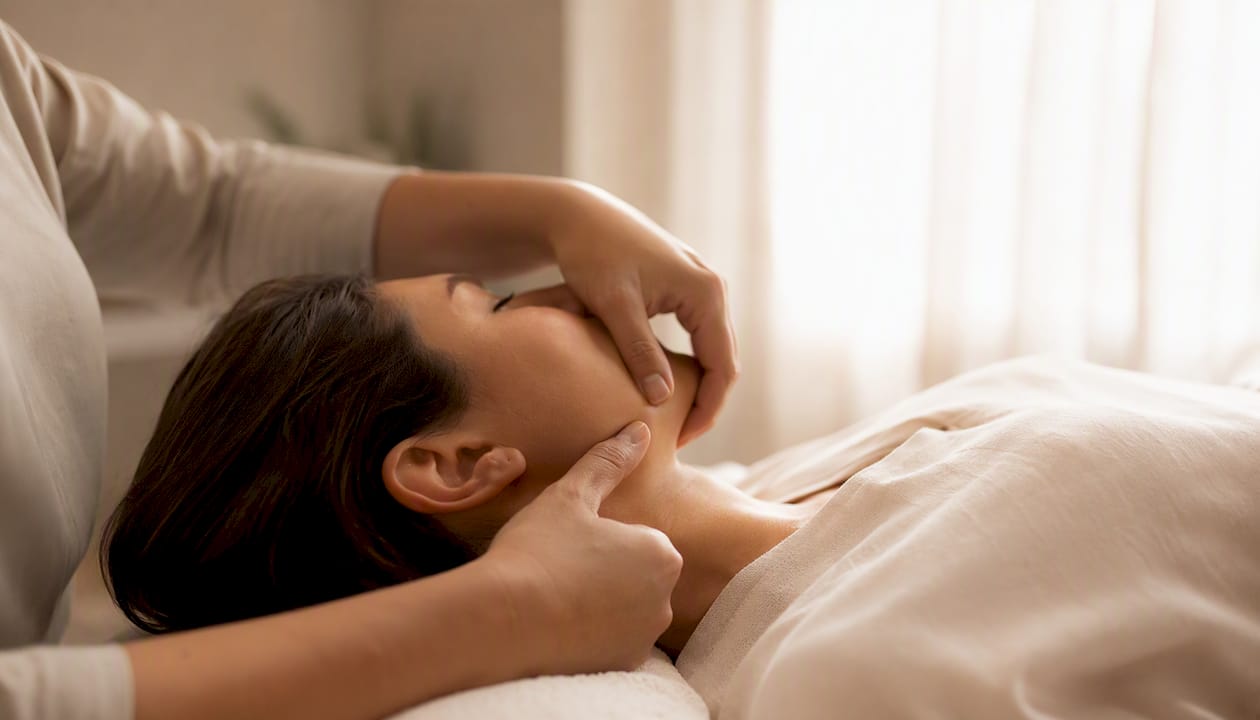
If your face is consistently puffy despite the cold compresses and the lifestyle adjustments, the cause is likely structural or chronic — and that calls for a different kind of care. Houseofwellnesssg, located in Tanjong Pagar, Singapore, offers customizable facial sessions that begin with a proper assessment and build a treatment plan around your specific pattern of puffiness. Sessions integrate manual lymphatic drainage, radiofrequency tightening, microcurrent sculpting, and cryotherapy, using Sothys and Dermalogica professional products throughout. There is no pressure to commit to a package on your first visit. Book a session at Houseofwellnesssg and find out what is actually driving your puffiness — and what will actually help.
This article is general information, not a substitute for advice from a qualified doctor. Consult a qualified healthcare professional about your own circumstances before acting on anything here.
Sources
- How to reduce swelling in the face — Medical News Today
- Can ice baths, gua shas and caffeine cream really depuff your face? — BBC
- Foods to reduce facial bloating: What to eat and avoid — Healthline
- Frontiers in Physiology article on lymphatic transport (2024)
- De-puffing face massage and topical products — Byrdie