
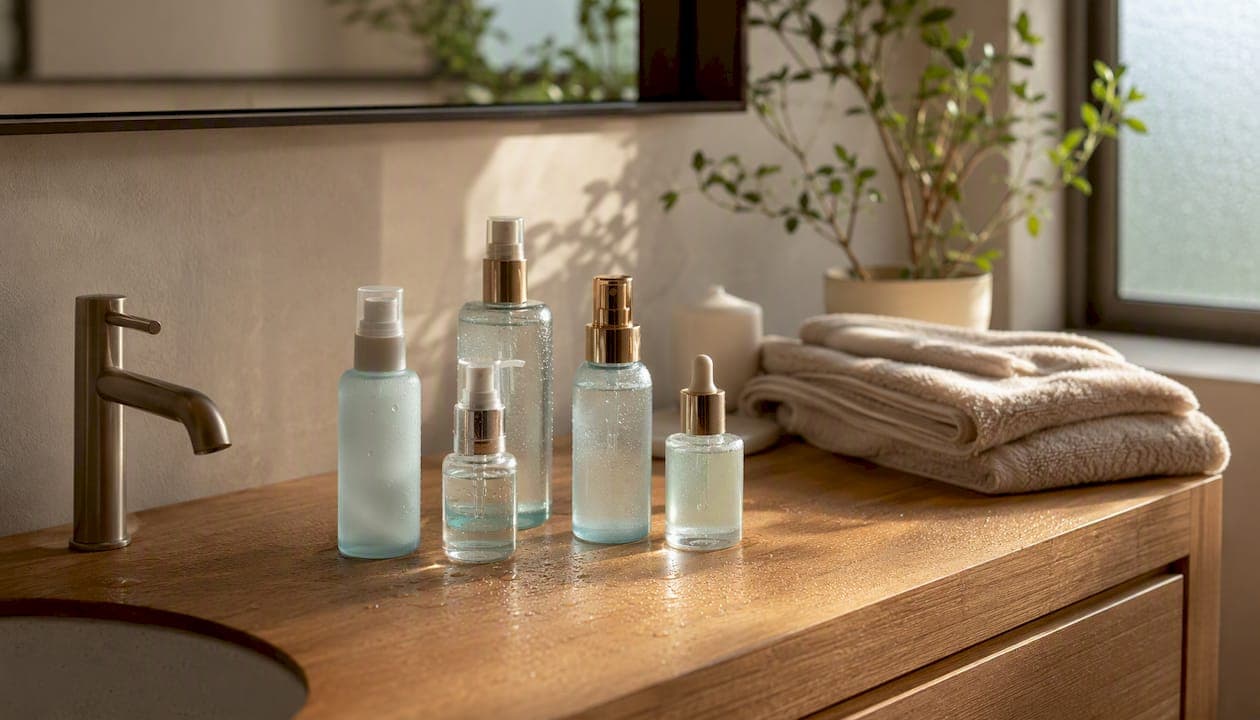
In Singapore's climate, the smartest skincare strategy favors lightweight, water-based layering over heavy creams. That means hydrating essences and serums in the morning, a gel moisturizer (or none at all, if your skin already feels comfortable), and a proper cleanse and repair routine at night. A simple starting point: AM rinse, hyaluronic acid serum, SPF. PM double-cleanse, niacinamide or BHA treatment, light gel hydration. Research on climate-driven skin physiology shows that rising heat and humidity push sebaceous glands into overdrive, which is exactly why the products that worked for you in a drier climate, or even a Singapore office kept at 19 degrees Celsius, can suddenly feel wrong the moment you step outside.
Pro Tip: *Keep a small hygrometer at home.
Sebum production doesn't just increase gradually in the heat. Dermatology-backed sources note that higher ambient temperatures stimulate sebaceous glands directly, and when that extra oil combines with Singapore's near-constant humidity, pores clog faster and bacteria multiply more readily. That single mechanism explains most of the breakouts, the midday shine, and the makeup that slides off by lunchtime. The rest of this guide breaks down exactly what to do about it, morning, night, and every humid day in between.
Key Takeaways
Humid climate skincare in Singapore works best when you replace heavy, occlusive products with lightweight, humectant-based hydration and treat sweat and oil as daily maintenance rather than an occasional problem.
| Point | Details |
|---|---|
| Swap texture first | Replace cream moisturizers with gel formulas before changing anything else in your routine. |
| Use BHA strategically | Exfoliate two to three times weekly for oily skin to prevent pore congestion from humidity and sweat. |
| Prioritize humectants | Choose hyaluronic acid, niacinamide, and glycerin over heavier oils and occlusive creams. |
| Protect daily, reapply often | Use a fluid or dry-touch SPF and reapply every two to three hours outdoors. |
| Escalate when home care stalls | Book a professional consultation if breakouts or congestion persist past several weeks of consistent care. |
Table of Contents
- Morning Routine for Humid Climate Skincare in Singapore
- Evening Routine for Sweat, Oil, and Barrier Repair
- Choosing Cleansers, Moisturizers, and Sunscreens for Humidity
- Ingredients to Prioritize and Ingredients to Avoid
- Daytime Tactics for Sweat, AC, and Makeup
- Managing Oily and Acne-Prone Skin in the Heat
- Weekly Skin Care Schedule for Humid Conditions
- When In-Clinic Treatments Make Sense
- What Clinicians in Singapore See That Home Routines Miss
- Sources
Morning Routine for Humid Climate Skincare in Singapore
Your AM routine needs to survive a commute, an air-conditioned office, and a lunchtime walk that can feel like a sauna. That means every step earns its place, and nothing sits on your skin as dead weight.
- Rinse or gentle cleanse. If your skin isn't oily overnight, plain water or a splash cleanse is often enough. Oilier skin benefits from a low-foam gel cleanser to clear surface sebum without over-stripping.
- Hydrating essence or serum. Look for hyaluronic acid or niacinamide. These humectants pull moisture into the skin without adding occlusive weight, which matters when the air outside is already saturated.
- Lightweight gel moisturizer, if needed. Skip this step entirely if your skin still feels comfortable after the serum. Combination and oily skin types in Singapore often do fine without a separate AM moisturizer.
- Sunscreen, non-negotiable. Choose a fluid, gel, or essence-texture SPF that won't ball up under sweat or humidity.
A few situational calls make a real difference:
- Oily or combination skin can usually skip the AM moisturizer and let the SPF handle hydration and protection together.
- Dry or dehydrated skin should still reach for a thin gel moisturizer, applied in a light layer rather than the thick swipe you might use in a drier climate.
- Reapply sunscreen every two to three hours if you're outdoors, since Singapore's UV index runs high year-round, and sweat degrades SPF performance faster than most labels account for.
- Mineral and "dry-touch" chemical formulas tend to hold up better through humidity than heavier lotion sunscreens that can pill under makeup.
Evening Routine for Sweat, Oil, and Barrier Repair
Nighttime is when you undo the day's damage, but overdoing it is its own trap. A too-aggressive PM routine can actually make oily, humid-climate skin worse.
Start with a proper cleanse. If you wore sunscreen or makeup, or you sweated through the afternoon, double-cleanse: an oil or balm cleanser first to break down SPF and sebum, followed by a gentle water-based cleanser. On lighter days, one cleanse is plenty. From there, work in targeted actives on a schedule your skin can tolerate:
- BHA (salicylic acid) exfoliation, one to three times weekly, to clear oil-clogged pores from the inside out.
- Retinoids, applied at night only, on non-BHA nights to avoid over-irritating the barrier.
- Azelaic acid, a gentler alternative for redness-prone or acne-prone skin that doesn't tolerate retinoids well.
- Light hydration, a humectant serum or thin gel, applied last to lock in moisture without smothering the skin overnight.
Clinical dermatology guidance consistently points to gentle cleansing paired with targeted topical actives, rather than aggressive daily stripping, as the more sustainable path for managing acne and oily skin.
Pro Tip: If your skin feels tight or looks shiny within an hour of cleansing, your cleanser is too harsh. That rebound oil is your skin overcorrecting, not a sign you need to cleanse harder.
Choosing Cleansers, Moisturizers, and Sunscreens for Humidity
Product texture matters more than brand name once you're dealing with tropical humidity. A formula that performs beautifully in a temperate climate can feel heavy, greasy, or pore-clogging the moment you bring it to Singapore.
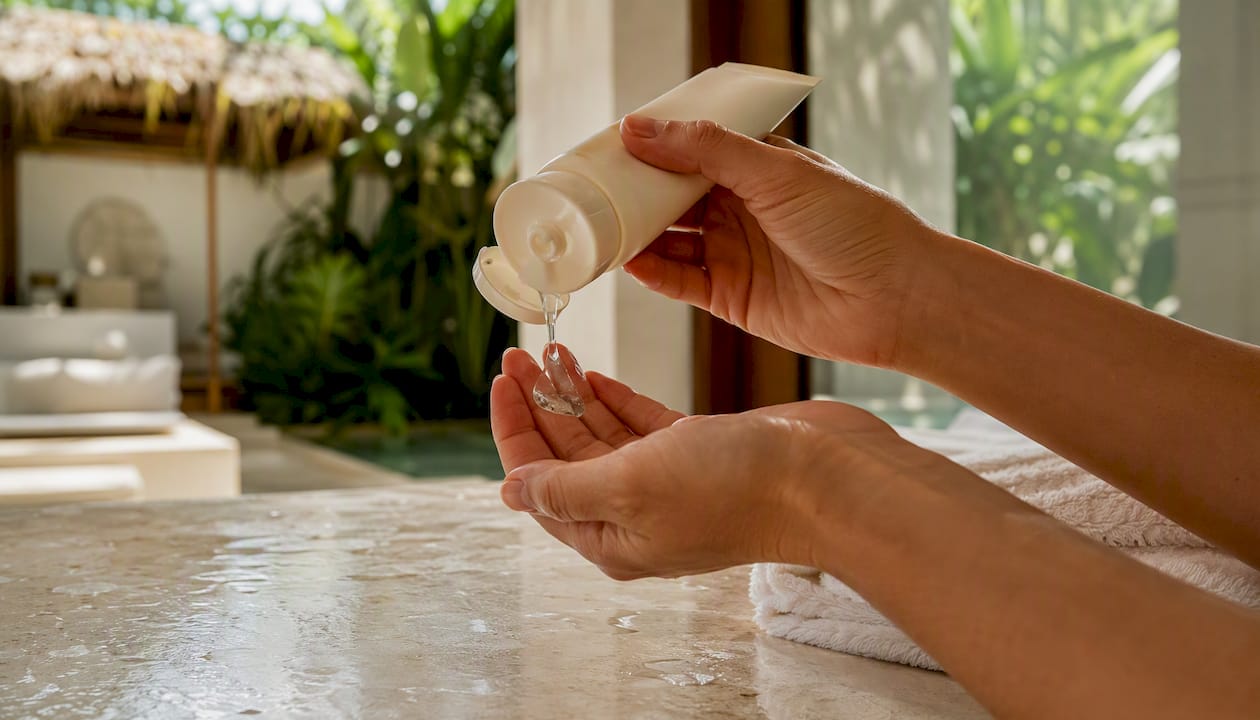
Cleansers should be low-foam gels for most skin types, since they clean without disrupting the barrier the way older sulfate-heavy foams do. If you wear a heavier SPF or long-wear makeup, an oil or balm cleanser as a first step handles that buildup far better than a single water-based wash. Dermatologist-informed guidance backs this two-step approach specifically for oily skin in humid weather.
Moisturizers should lean gel or lotion, humectant-first, rather than cream-based. Formulations built for humid East Asian markets have long favored this kind of layered, lightweight hydration over Western-style rich creams, an approach that Glow Guide's climate skincare research points to as one reason multi-step routines from Korea and Japan translate so well to Singapore's weather.
| Product Type | Choose This | Avoid This |
|---|---|---|
| Cleanser | Gel or low-foam formulas; oil cleanser for heavy SPF/makeup days | Harsh sulfate foams that strip and trigger oil rebound |
| Moisturizer | Gel, lotion, or humectant-first hydration | Thick creams, heavy occlusive balms |
| Sunscreen | Fluid, essence, or dry-touch mineral SPF | Thick lotion SPF that pills under sweat |
A quick shelf-side checklist before you buy: does it say "gel" or "fluid" rather than "cream" or "balm"? Does the ingredient list lead with water or a humectant rather than an oil? Does the sunscreen claim sweat resistance or a matte, dry finish? If you can answer yes to those three questions, the product is probably built for this climate.
Ingredients to Prioritize and Ingredients to Avoid
Reading a label with humidity in mind is a genuinely different skill than reading it for dry-climate skincare advice, and it's worth learning once.
Prioritize these:
- Hyaluronic acid, for water-binding hydration without weight
- Glycerin, a reliable, inexpensive humectant that layers well under SPF
- Niacinamide, which helps regulate oil production and supports barrier function
- Zinc, useful for calming inflammation in acne-prone, humid-climate skin
- Water-based polymers and gel-forming agents that deliver a matte, breathable finish
- Non-comedogenic mineral or chemical UV filters formulated for oily skin
Avoid or use cautiously:
- Heavy occlusive creams and balms, especially in the AM
- Long-chain fatty esters and certain plant oils that are more comedogenic in high-humidity conditions
- Petrolatum-heavy blends layered under makeup or SPF during the day
The trade-off comes down to one mechanism. In persistently humid environments, heavy occlusive layers trap moisture and oil at the skin's surface, creating a microclimate that favors faster growth of yeast and acne-related bacteria. Switching to gel-based, water-first layering removes that trapped microclimate almost immediately, which is why so many people notice less congestion within days of simplifying their routine. Everyday Health's dermatologist-sourced guidance makes the same case: lighter humectants do the hydration job without the occlusion tax.
Daytime Tactics for Sweat, AC, and Makeup
Singapore's real skincare challenge isn't the morning or the evening routine. It's the eight to ten hours in between, bouncing from humid streets to over-chilled offices and back again.
A few low-effort habits go a long way:
- Blot, don't wipe. Blotting papers lift oil without disturbing makeup or irritating the skin.
- Rinse with plain water after heavy sweating, whether from a workout or just a hot commute, before oil and sweat have time to settle into pores.
- Change pillowcases and gym shirts more often than you think you need to. Fabric holds onto sweat and oil residue that transfers straight back onto your skin.
- Shower promptly after exercise rather than letting sweat sit, especially on the back and chest where body acne tends to flare.
For makeup, lean on non-comedogenic, lightweight foundations or tinted SPF rather than full-coverage bases that trap heat and oil against the skin. Setting sprays formulated for humidity, ones that claim oil control or long-wear rather than just "dewy finish," hold up far better through a Singapore afternoon. On days when your skin already looks irritated or congested, skipping makeup entirely is often the faster fix.
Pro Tip: Keep a small kit at your desk: blotting papers, a travel-size SPF, and a hydrating facial mist. The mist does double duty, refreshing tired skin and giving a light layer of hydration after your AC has dried things out.
Managing Oily and Acne-Prone Skin in the Heat
If breakouts seem to track directly with the weather, you're not imagining it. Heat and humidity increase sebum output while slowing skin cell turnover, a combination that raises acne risk according to research summarized by Cetaphil's dermatology-backed guidance. More oil plus more dead skin cells sitting on the surface means more clogged pores.
A realistic, escalating plan works better than jumping straight to the strongest product on the shelf:
- Start with texture swaps. Replace any cream moisturizer with a gel, and confirm your sunscreen is a fluid or dry-touch formula.
- Add BHA exfoliation, two to three times weekly, to keep pores clear from within.
- Layer in niacinamide for oil regulation and inflammation control.
- Escalate carefully to azelaic acid or a retinoid only if the above hasn't improved things within a few weeks, and introduce one new active at a time.
Most people who make these routine adjustments see meaningful improvement within two to three weeks, without needing prescription-strength treatments. That said, watch for red flags that go beyond routine tweaking:
- Cystic, painful breakouts that don't respond to over-the-counter actives
- Breakouts that keep recurring in the same spots despite consistent care
- Signs of infection like spreading redness, warmth, or swelling
Track your skin weekly rather than daily. Daily fluctuation is normal in this climate, but a two to three week photo comparison tells you honestly whether your routine is working.
Weekly Skin Care Schedule for Humid Conditions
Exfoliation frequency and mask choice should shift with your skin type, not follow a one-size-fits-all weekly plan. Over-exfoliating in a climate that's already stressing your barrier is one of the fastest ways to trigger both breakouts and irritation.
| Skin Type | Exfoliation Frequency | Recommended Mask |
|---|---|---|
| Oily/acne-prone | BHA exfoliation, 2 to 3 times weekly | Clay mask, once weekly, to absorb excess oil |
| Combination | BHA exfoliation, 1 to 2 times weekly | Clay on the T-zone, hydrating mask on cheeks |
| Dry/sensitive | Gentle exfoliation, once weekly | Lightweight hydrating mask, 1 to 2 times weekly |
A few guardrails matter regardless of skin type:
- Avoid combining BHA exfoliation with a retinoid on the same night; alternate their use.
- Skip physical scrubs if your skin feels sensitized, as chemical exfoliants are generally gentler and more suitable for humid conditions.
- If skin feels tight, flaky, or reactive after your usual weekly routine, scale back frequency before adding more products.
When In-Clinic Treatments Make Sense
Home care handles most humid-climate skin concerns, but not all of them. If you're cycling through routine adjustments for months without real improvement, or dealing with any of these, it's worth a professional consultation:
- Recurrent cystic acne that doesn't respond to consistent BHA and niacinamide use
- Persistent fungal breakouts (often mistaken for regular acne) that flare specifically in hot, sweaty conditions
- Ongoing texture, pore size, or congestion issues that home products haven't touched in eight or more weeks
At this stage, in-clinic treatments can do work that topical products simply can't. Chemical peels and BHA-based peel treatments go deeper into congested pores than an at-home exfoliant safely can. Hydro-resurfacing sessions like Hydrodiamond combine deep cleansing with hydration in a single treatment, which is particularly useful for skin that's both congested and dehydrated, a common combination in Singapore's climate. Radiofrequency treatments address texture and tone concerns that linger after breakouts clear, and Prorestore sessions focus specifically on repairing barrier function in skin that's been through repeated cycles of oil overproduction and over-treatment.
If you're weighing whether to book a consultation, ask what the clinic recommends for your specific skin type and humidity-related concerns before committing to a treatment plan. A good consultation should feel like problem-solving, not a sales pitch.
What Clinicians in Singapore See That Home Routines Miss
Clients walking into House of Wellness rarely have one clean, simple skin issue. More often, it's layered: oil control problems from years of using the wrong texture products, dehydration hiding underneath visible shine, and pores that have widened from repeated congestion cycles nobody addressed early. That combination is almost unique to hot, humid environments, where skin is simultaneously overproducing oil and losing water through a stressed barrier.
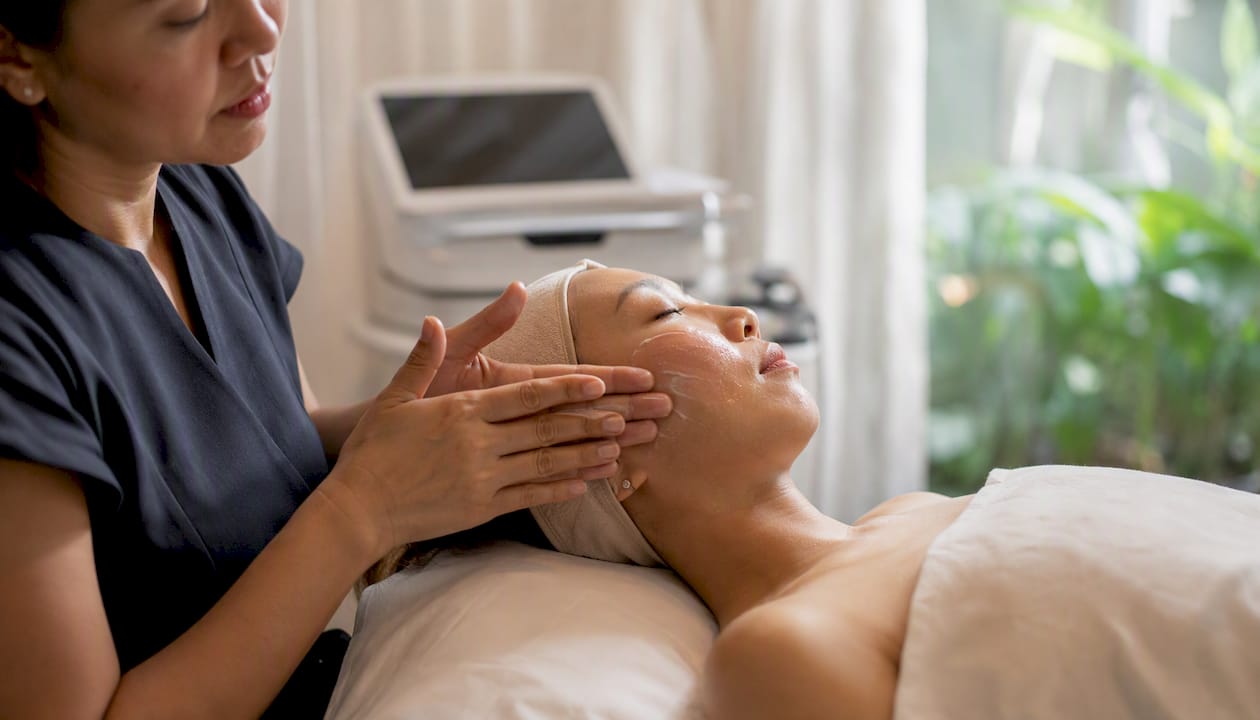
What tends to move the needle fastest isn't a single product change but a shift in how someone thinks about hydration altogether. Many clients arrive convinced their oily skin needs less moisture, when the opposite is usually true. The oil is often a response to dehydration, not a reason to skip it. Radiofrequency and cryotherapy sessions work well here specifically because they address hydration and firmness together, which matters more in a climate where skin is fighting moisture loss and oil excess at the same time.
If your skin has stopped responding to routine changes after several weeks of consistent effort, that's the point to book an assessment rather than keep swapping products on your own. A first consultation should look at your skin's actual behavior, not just what you tell us your skin type is, and map out whether the fix is topical, professional, or a combination of both.
Sources
- How To Take Care of Oily Skin in Humid Weather | Cetaphil US
- 7 Ways to Fight Oily Skin in Summer, According to Dermatologists | Everyday Health
- PMC article on climate-related skin physiology (archival peer-reviewed source)
- Acne | Penn Medicine
- Ultraviolet index | National Environment Agency (NEA), Singapore
This article offers general skincare information and isn't a substitute for a professional dermatology consultation. If you're dealing with persistent or severe skin concerns, check with a qualified dermatologist or clinic for guidance specific to your skin.