

The most effective approach to non-surgical pigmentation care combines a personalized topical regimen, strict photoprotection, and conservative procedural support — guided by a Fitzpatrick-based skin assessment before any treatment begins. This is the framework endorsed by global dermatology consensus, including the Medscape guideline on melanin hyperpigmentation disorders, and it is the foundation of how Houseofwellnesssg approaches pigmentation care in Singapore.
Before your first appointment, gather these three things:
- Your current skincare products (including any brightening or exfoliating items)
- Recent photos showing the pigmentation in natural light
- A brief medical history noting hormonal medications, pregnancy status, and any prior skin reactions
A multimodal, conservative plan combining topicals, photoprotection, and selective procedures consistently outperforms any single-modality treatment. Starting with a skin assessment is not optional — it is the step that keeps every subsequent choice safe.
Table of Contents
- What type of pigmentation do you have, and why does it matter?
- Non-surgical pigmentation treatments: what works and what to watch for
- How do you choose the right non-surgical route for your skin?
- What results really look like: timeline, sessions, and maintenance
- How to evaluate clinics and practitioners in Singapore
- Why Houseofwellnesssg is a trusted local option for non-surgical pigmentation care
- Safety cautions: how treatments can go wrong
- Key Takeaways
- A perspective on managing pigmentation without surgery
- Book your skin assessment at Houseofwellnesssg
What type of pigmentation do you have, and why does it matter?
Accurate diagnosis changes everything. Treating melasma the same way you treat a solar lentigo often makes things worse, not better.
- Melasma: A chronic, hormonally influenced condition producing symmetrical brown or gray-brown patches, most common on the cheeks, forehead, and upper lip. Prone to relapse, especially with UV and heat exposure.
- Post-inflammatory hyperpigmentation (PIH): Dark marks left after acne, eczema, waxing, or any skin trauma. Depth varies; superficial PIH responds well to topicals, while deeper dermal PIH takes longer.
- Solar lentigines: Discrete, flat brown spots caused by cumulative sun exposure. Generally epidermal and more responsive to targeted procedures.
- Dermal vs. epidermal pigment: Epidermal pigment appears darker under a Wood's lamp; dermal pigment does not change. This distinction guides whether topicals alone will work or whether energy-based support is needed.
Singapore's tropical climate adds real complexity. Year-round UV intensity, heat, and high-energy visible light (HEV) exposure all accelerate melanin production and increase recurrence risk. For clients with Fitzpatrick IV–VI skin — common across Singapore's diverse population — the risk of PIH from over-treatment is a constant clinical consideration. Personalized plans that account for skin type, genetic background, and local environment are not a luxury; global consensus identifies them as the standard of care.
Non-surgical pigmentation treatments: what works and what to watch for
- Topical therapies — First-line for most pigmentation types. Hydroquinone (2–4%), azelaic acid, tranexamic acid, thiamidol, retinoids, and niacinamide all have evidence behind them. Combination topical regimens typically outperform single agents and are the backbone of any priming plan.
- Superficial chemical peels — Glycolic, lactic, and BHA/AHA peels exfoliate epidermal pigment effectively. They require careful priming in darker skin types; without it, the risk of PIH rises.
- Low-fluence energy-based treatments — Low-fluence Q-switched Nd:YAG, IPL, and non-ablative fractional lasers can address stubborn lesions, but carry higher PIH risk in Fitzpatrick IV–VI. Conservative settings and proper priming are non-negotiable.
- Microneedling and platelet-rich plasma — Useful adjuncts that enhance topical delivery and stimulate collagen. Sequencing matters; these work best after priming, not before.
- Cryotherapy and dermaplaning — Situational tools. Cryo suits discrete lentigines; dermaplaning improves texture and product absorption. Both require clear clinical indications.
- Red light LED therapy — A low-risk adjunct that supports skin healing and reduces post-procedure inflammation, making it a gentle complement to any pigmentation protocol.
Pro Tip: "Skin priming" for 4–8 weeks with tyrosinase-inhibiting and anti-inflammatory topicals before any procedural therapy significantly lowers PIH risk, especially for Fitzpatrick III–VI. Guidelines recommend this step as standard practice before energy-based or peel treatments.
| Treatment | Best for | Downtime | PIH risk (Fitzpatrick IV–VI) | Sessions to expect | Visible improvement |
|---|---|---|---|---|---|
| Topical regimen | Melasma, PIH, maintenance | None | Very low | Ongoing | Gradual, 4–8 weeks |
| Superficial peel | Epidermal pigment, texture | 2–5 days | Moderate without priming | 3–6 | Noticeable by session 3 |
| Low-fluence Nd:YAG | Lentigines, mixed pigment | Minimal | Moderate; lower with priming | 3–5 | Progressive by session 3–5 |
| IPL | Solar lentigines, redness | 1–3 days | Moderate | 3–5 | Visible by session 2–3 |
| Microneedling | PIH, texture, product delivery | 1–2 days | Low with priming | 3–6 | Progressive |
| Cryotherapy | Discrete lentigines | 3 days | Low for targeted use | 1–3 | Rapid for focal lesions |
| Red light LED | Post-procedure recovery, maintenance | None | Very low | Ongoing | Supportive |
How do you choose the right non-surgical route for your skin?
Your Fitzpatrick phototype is the single most important variable. Fitzpatrick I–III skin tolerates more aggressive settings; Fitzpatrick IV–VI requires conservative energy levels, mandatory priming, and careful monitoring at every session. Skipping this step is where most adverse outcomes begin.
Run through this checklist before committing to any procedure:
- Recent inflammation, active acne, or waxing within the past two weeks? Postpone procedural treatments.
- Pregnant or on hormonal contraceptives? Melasma is likely hormonally driven; aggressive procedures will not resolve it.
- History of PIH after previous treatments? Flag this clearly — it changes the priming duration and energy settings.
- Current medications that increase photosensitivity? These must be reviewed before any light-based treatment.
- Darker phototype (Fitzpatrick IV–VI)? Insist on a patch test and a priming phase before any peel or energy-based session.
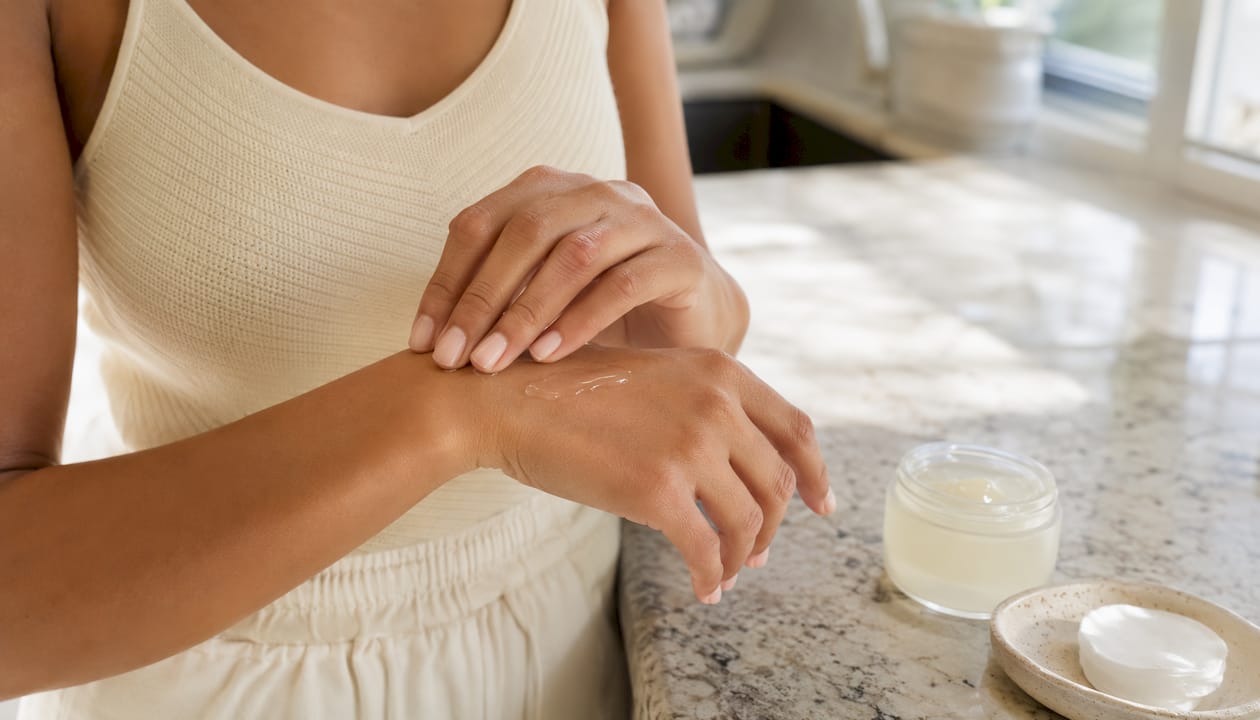
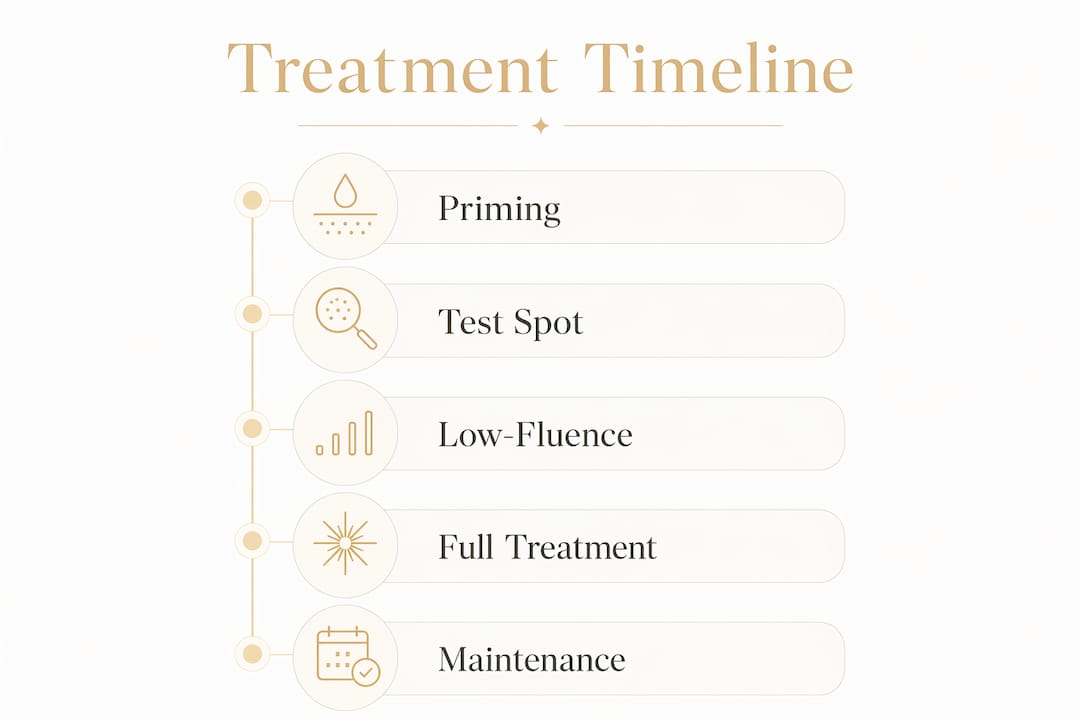
The recommended sequence is straightforward: topical priming first, a conservative test spot or patch test, low-fluence procedures if indicated, then a structured maintenance plan. Rushing any of these steps increases risk without improving outcomes.
Pro Tip: In Singapore's UV environment, a tinted broad-spectrum sunscreen that blocks UVB, UVA, and HEV light is non-negotiable during and after any pigmentation therapy. Untinted sunscreens do not adequately block visible light, which is a significant trigger for melasma. Consider a mineral sun balm with zinc oxide as a reef-safe, skin-friendly option.
What results really look like: timeline, sessions, and maintenance
Pigmentation is often chronic and relapsing. A single treatment session rarely resolves it, and results without ongoing maintenance tend to fade. Setting realistic expectations from the start protects both your skin and your confidence in the process.
- Weeks 1–8: Topical priming phase. Tyrosinase inhibitors and anti-inflammatories prepare the skin, reduce baseline pigment, and lower procedural risk.
- Sessions 1–2: Modest visible change. The skin is adapting; conservative settings are intentional, not insufficient.
- Sessions 3–5: Progressive improvement becomes measurable. Most clients see their most meaningful gains in this window, with sessions spaced at least 30 days apart.
- Maintenance phase: Daily SPF (UVB/UVA/HEV), evening topical maintenance, periodic touch-up sessions, and lifestyle adjustments (heat and UV avoidance) sustain results.
| Phase | Timing | Expected outcome |
|---|---|---|
| Topical priming | 4–8 weeks before procedures | Reduced baseline pigment; lower PIH risk |
| Procedural sessions | Every 30+ days | Progressive lightening; best gains by session 3–5 |
| Maintenance topicals | Daily, ongoing | Prevents relapse; sustains procedural results |
| Touch-up sessions | Every 3–6 months | Addresses recurrence; maintains clarity |
How to evaluate clinics and practitioners in Singapore
Not all clinics approach pigmentation with the same level of care. Asking the right questions upfront protects you from over-treatment and wasted investment.
- Does the clinic perform a Fitzpatrick-based skin assessment before recommending any procedure?
- Is there a formal patch-test policy for peels and energy-based treatments?
- Do they provide a written priming plan and pre/post-care instructions?
- Are the product brands used (such as Sothys or Dermalogica) disclosed clearly?
- Can they show dated before-and-after photos with appropriate disclosures?
- Is there a structured follow-up plan, not just a sales push for the next package?
Trust signals to look for: licensed therapists with visible credentials, professional-grade brands, documented patch-testing, and a clear explanation of expected sessions and realistic outcomes.
Red flags to avoid:
- Immediate high-fluence laser without priming or patch test
- No medical history taken before treatment
- Promises of a quick or permanent cure
- Pressure to purchase large packages before seeing any results
- Vague or undisclosed product information
On cost: price in Singapore varies by modality, number of sessions, and clinic type. Reasonable cost drivers include the technology used, therapist credentials, product quality, and session length. Be cautious of unusually low pricing on energy-based treatments — it often signals undertrained staff or substandard equipment. Singapore's Ministry of Health sets standards for aesthetic practice; for procedures involving lasers, verify that the clinic operates within those guidelines.
Why Houseofwellnesssg is a trusted local option for non-surgical pigmentation care
Houseofwellnesssg takes a holistic, whole-skin approach to pigmentation care, treating the skin as part of your overall wellness rather than isolating a single dark spot for removal. The clinic uses professional-grade brands Sothys and Dermalogica in all protocols, and every plan begins with a Fitzpatrick-based skin assessment.
Services relevant to pigmentation care include:
- ProRestore facial protocols for restorative skin priming and barrier support
- Microcurrent sculpting to support lymphatic drainage and skin tone
- Radiofrequency for texture improvement and skin tightening
- Cryotherapy for targeted treatment of discrete lentigines
- Dermaplaning for texture refinement and enhanced topical absorption
- Red light LED therapy as a low-risk adjunct for healing and maintenance
When you book a skin assessment at Houseofwellnesssg, you receive a Fitzpatrick evaluation, a review of your current products, a priming plan, a conservative procedural roadmap, and a maintenance schedule — all in one session.
Safety cautions: how treatments can go wrong
The most common adverse outcome in pigmentation treatment is PIH — darkening caused by the treatment itself. Aggressive procedures without priming, wrong energy settings for your skin type, and treating actively inflamed skin are the primary drivers.
Watch for these warning signs after any treatment:
- Increasing darkening in the treated area (not the expected initial darkening that fades)
- Prolonged redness lasting more than a week
- Blistering, crusting, or texture changes suggesting scarring
- Spreading discoloration beyond the original treatment zone
If any of these occur, stop all active irritants immediately and seek a dermatology review. Strategies to minimize PIH risk after non-surgical interventions include continuing gentle moisturization, strict sun avoidance, and returning to your priming topicals.
See a dermatologist when: PIH persists beyond three months despite conservative care, pigment appears to be dermal rather than epidermal, a systemic cause is suspected, or conservative measures have failed. Oral tranexamic acid is one specialist-prescribed option for refractory melasma. In Singapore, aesthetic procedures involving lasers fall under MOH regulatory oversight — always verify that your provider is appropriately credentialed for the modality being used.
This article is general information, not medical advice. Confirm current treatment guidelines and your personal suitability with a qualified professional before beginning any pigmentation therapy.
Key Takeaways
A personalized, conservative multimodal plan combining topical priming, strict photoprotection, and selective procedures is the most effective and safest non-surgical approach to pigmentation in Singapore.
| Point | Details |
|---|---|
| Priming is non-negotiable | 4–8 weeks of topical priming before any procedure lowers PIH risk, especially for Fitzpatrick IV–VI. |
| Photoprotection is foundational | Tinted broad-spectrum sunscreen blocking UVB, UVA, and HEV is required daily throughout and after treatment. |
| Expect progressive results | Most clients see meaningful improvement after a few treatment sessions spaced about a month apart. |
| Pigmentation often relapses | Long-term maintenance topicals and periodic touch-ups are required to sustain results. |
| Houseofwellnesssg | Offers Fitzpatrick-based assessments, Sothys and Dermalogica protocols, and conservative multimodal pigmentation care in Singapore. |
A perspective on managing pigmentation without surgery
The clients who see the most lasting improvement are rarely the ones who pushed for the most aggressive treatment — they are the ones who committed to the full process: a proper assessment, a priming phase they actually followed, conservative procedural sessions, and a daily SPF habit they did not abandon after the first visible result.
What gets overlooked in most pigmentation conversations is the role of the skin's overall health. Pigmentation does not exist in isolation. Stress, sleep, barrier function, and inflammation all influence how melanin behaves. Treating a dark spot while ignoring the skin's broader condition is like patching a wall without addressing the damp behind it. At Houseofwellnesssg, the approach is to treat the whole skin, not just the visible mark.
The other thing worth saying plainly: pigmentation in Singapore skin is not a problem to be solved once. It is a condition to be managed over time. Clients who understand that from the start make better decisions, have more realistic expectations, and ultimately get better results. The goal is not a single dramatic before-and-after. The goal is skin that stays clearer, longer.
Book your skin assessment at Houseofwellnesssg
Clear, lasting skin starts with knowing exactly what you are working with. Houseofwellnesssg offers a Fitzpatrick-based skin assessment that includes a full product review, a personalized priming plan, and a conservative treatment roadmap built around your skin type and lifestyle.

From ProRestore facial protocols and radiofrequency to cryotherapy and red light LED therapy, every service is delivered by licensed therapists using Sothys and Dermalogica. Patch testing is standard, follow-up care is documented, and there is no pressure to commit to a large package before you have seen results.
Ready to start with a plan that is actually built for your skin? Book your assessment at Houseofwellnesssg in Tanjong Pagar, Singapore, and leave with a clear, personalized next step.