
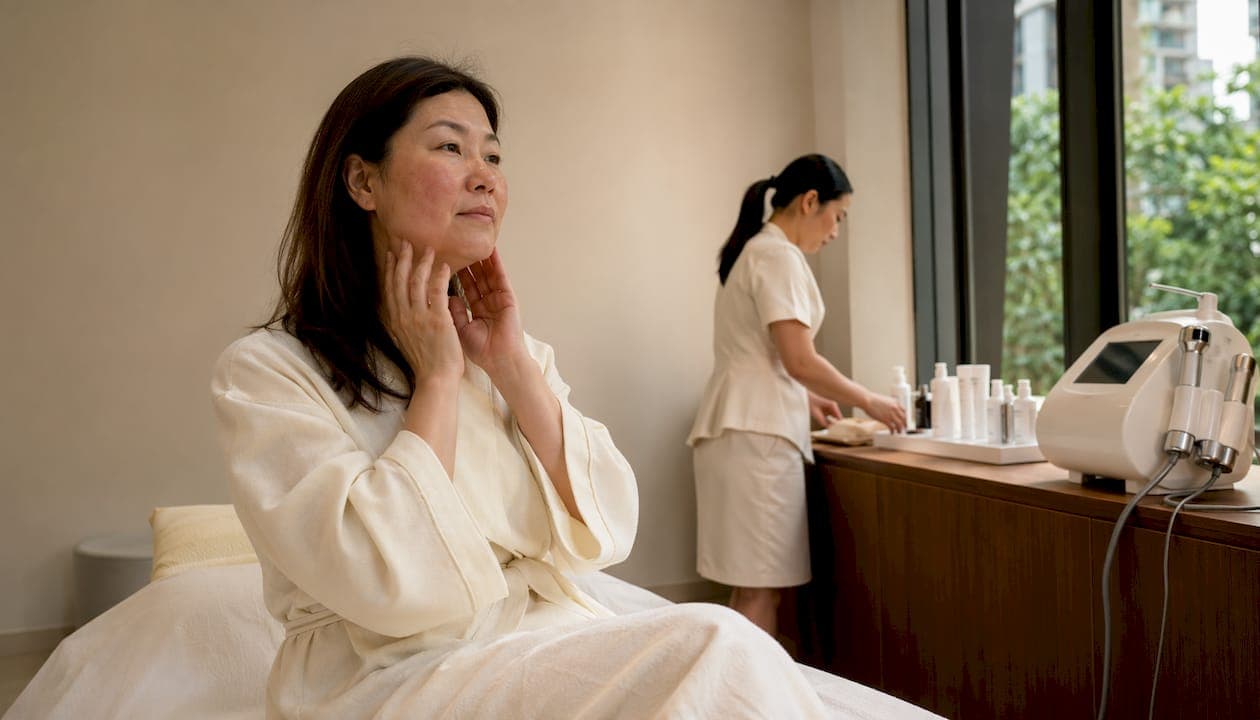
Reducing facial redness works best when you combine the right diagnosis, a gentle skincare routine, targeted ingredients, and professional treatments suited to your skin. No single product fixes persistent redness on its own. The most effective approach layers home care with expert guidance and, when needed, in-clinic therapies.
Table of Contents
- How to reduce facial redness: the core strategies
- What causes facial redness, and what triggers yours?
- Building a gentle skincare routine that calms red skin
- Professional treatments available in Singapore for persistent redness
- Diet, lifestyle, and sun protection in Singapore's climate
- When to see a dermatologist, and how to maintain results
- Houseofwellnesssg: personalized redness care in Tanjong Pagar
- Key Takeaways
How to reduce facial redness: the core strategies
Start here before anything else:
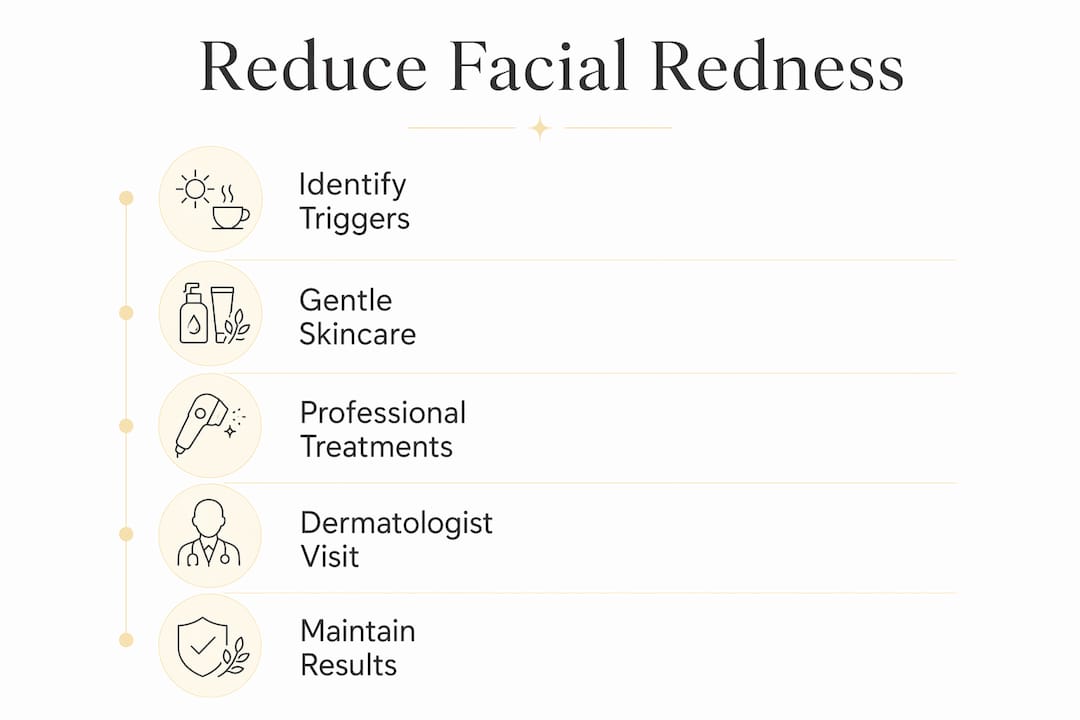
- Get a proper diagnosis. Facial redness can signal rosacea, seborrheic dermatitis, psoriasis, or contact dermatitis. A board-certified dermatologist identifies which condition you have and builds a treatment plan around it.
- Identify your personal triggers. Heat, spicy foods, alcohol, UV exposure, and harsh skincare ingredients are common redness triggers worth tracking.
- Repair your skin barrier with ceramides, glycerin, and hyaluronic acid.
- Use targeted topical ingredients like niacinamide, azelaic acid, and panthenol to calm inflammation.
- Protect with broad-spectrum mineral sunscreen daily, especially in Singapore's intense UV climate.
- Consider professional therapies such as IPL, Pulsed Dye Laser, radiofrequency, or cryotherapy for persistent redness.
- Adjust lifestyle habits: reduce alcohol, spicy foods, and stress.
Houseofwellnesssg integrates radiofrequency and cryotherapy with premium Sothys and Dermalogica products for personalized redness care in Singapore.
What causes facial redness, and what triggers yours?
Redness is a symptom, not a diagnosis. Rosacea causes blood vessels to dilate and stay open, producing visible flushing and sensitivity. Seborrheic dermatitis, psoriasis, eczema, and sun damage each produce redness through different mechanisms, which is why a board-certified dermatologist's assessment matters before you choose any treatment.
Singapore's humidity and year-round UV intensity make triggers more frequent here than in cooler climates. Common personal triggers include:
- Heat and hot showers
- Spicy foods, alcohol, and caffeine
- UV exposure without adequate sun protection
- Fragrance, alcohol-based toners, and over-exfoliation
- Emotional stress and strenuous exercise
Keeping a simple trigger diary for two weeks often reveals patterns you would not otherwise notice.
Building a gentle skincare routine that calms red skin
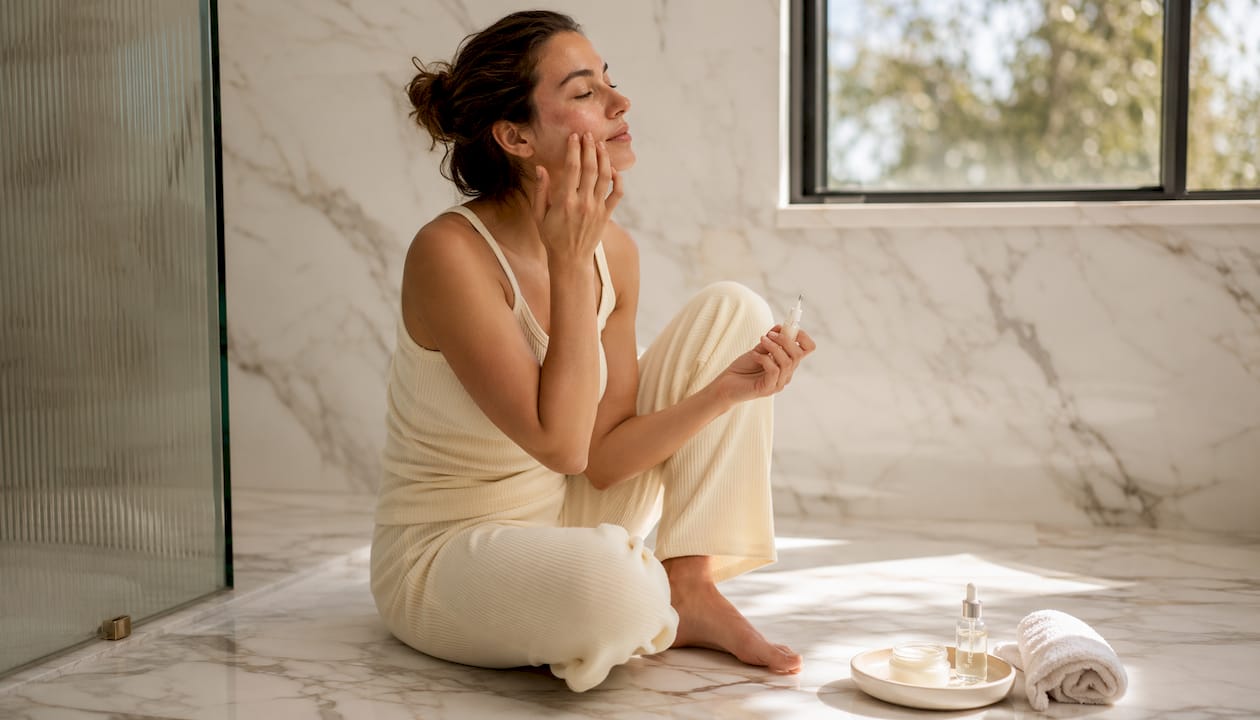
Active ingredients like niacinamide, azelaic acid, and panthenol soothe inflammation when paired with hydration-focused habits. Cleanse with lukewarm water twice daily using a fragrance-free, non-soap cleanser, then apply moisturizer to slightly damp skin to lock in hydration.
- Moisturizer: choose formulas with ceramides, glycerin, or hyaluronic acid
- Avoid: alcohol-based products, physical scrubs, retinoids until redness is controlled
- Add: green tea extract or azelaic acid for anti-inflammatory support
- Sunscreen: mineral broad-spectrum SPF 50 every morning; reapply midday outdoors
Pro Tip: Pat, never rub, your skincare products in. Friction from rubbing worsens redness immediately and over time.
Professional treatments available in Singapore for persistent redness
When home care is not enough, professional therapies make a real difference. IPL and Pulsed Dye Laser are standard choices for reducing visible blood vessels and diffuse redness, though they require careful settings for darker skin tones. Nd:YAG laser is the safer option for deeper skin tones.
| Treatment | Best for | Key consideration |
|---|---|---|
| IPL | Diffuse redness, lighter skin | Multiple sessions needed |
| Pulsed Dye Laser | Telangiectasia, rosacea redness | May cause temporary bruising |
| Nd:YAG Laser | Deeper skin tones | Lower pigmentation risk |
| Radiofrequency | Lifting, hydration, redness | Dual benefit treatment |
| Cryotherapy | Inflammation, puffiness | Soothing cooling effect |
Houseofwellnesssg offers cryotherapy sessions and microcurrent sculpting alongside lymphatic drainage massage, using Sothys and Dermalogica products throughout. Clients report visible results and a genuinely personalized experience.
Diet, lifestyle, and sun protection in Singapore's climate
Lifestyle factors including spicy foods, alcohol, heat, and smoking directly trigger flushing episodes. Staying well hydrated and practicing deep breathing during stressful moments helps reduce vascular reactivity.
- Limit spicy food, alcohol, and very hot drinks
- Avoid peak sun hours (10 AM to 3 PM) outdoors
- Wear a wide-brimmed hat and seek shade when possible
- Apply mineral SPF 50 every morning; reapply after sweating
- Quit smoking, which worsens skin inflammation over time
When to see a dermatologist, and how to maintain results
See a board-certified dermatologist if redness persists beyond two weeks, spreads, or comes with burning, thickening skin, or eye irritation. Prescription options for rosacea include metronidazole, ivermectin, and azelaic acid. For temporary relief, topical vasoconstrictors like oxymetazoline reduce redness for up to 12 hours and carry a lower rebound risk than brimonidine.
After any professional treatment, maintaining skin barrier health with ceramide-rich moisturizers and antioxidants sustains your results. Follow-up sessions at least twice yearly help prevent flares from returning.
Houseofwellnesssg: personalized redness care in Tanjong Pagar
Persistent redness deserves more than a generic routine. Houseofwellnesssg offers customizable facial sessions in Singapore that combine radiofrequency heat, cryotherapy, and microcurrent sculpting with Sothys and Dermalogica products, all without sales pressure. Every session is tailored to your skin's specific needs, whether you are managing rosacea, a compromised barrier, or sensitivity from Singapore's climate.

Ready to calm your skin with a treatment built around you? Book your session at Houseofwellnesssg in Tanjong Pagar, or browse the full treatment menu to find your fit.
Key Takeaways
Reducing facial redness requires combining trigger identification, a barrier-repairing skincare routine, and professional treatments tailored to your skin type and Singapore's climate.
| Point | Details |
|---|---|
| Diagnosis first | A board-certified dermatologist identifies the cause and builds the right treatment plan. |
| Barrier-repairing ingredients | Ceramides, niacinamide, and azelaic acid calm inflammation and protect the skin barrier. |
| Laser and light therapies | IPL and Pulsed Dye Laser reduce persistent redness; Nd:YAG is safer for darker skin tones. |
| Topical vasoconstrictors | Oxymetazoline reduces redness for up to 12 hours and carries a lower rebound risk than brimonidine. |
| Houseofwellnesssg | Offers personalized radiofrequency, cryotherapy, and Sothys/Dermalogica facials for redness in Singapore. |