
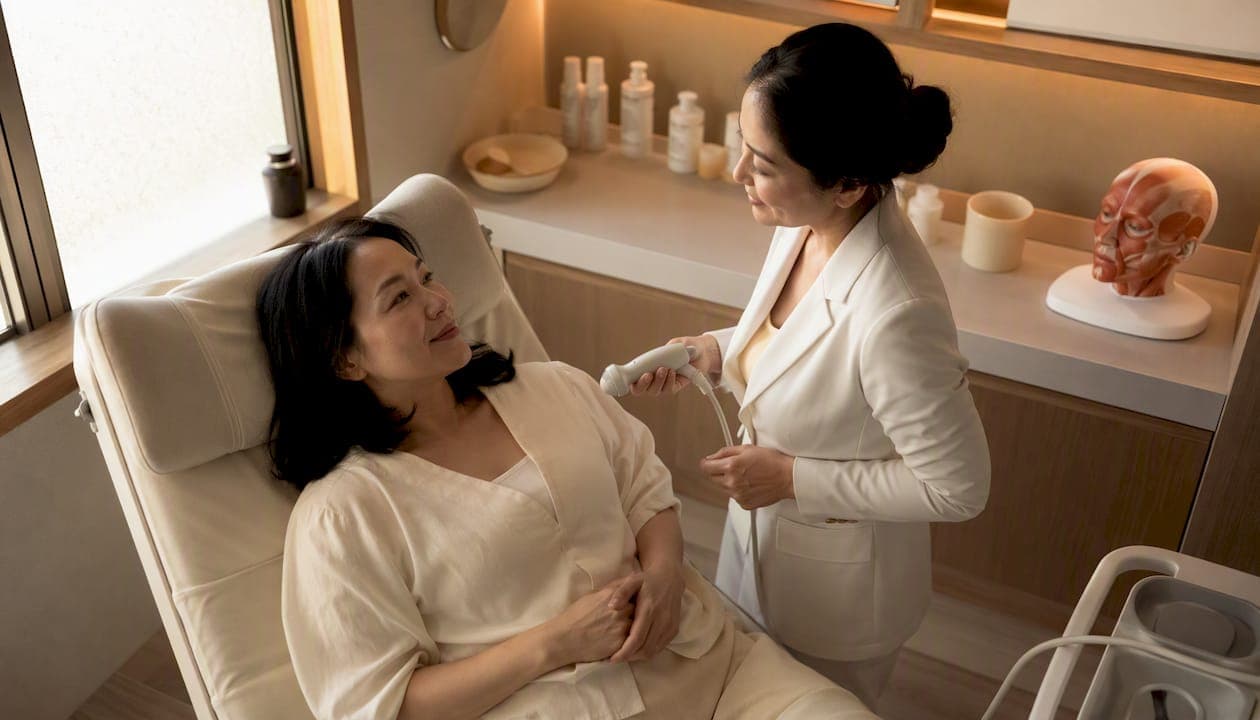
If you're weighing your options, here's the short answer: Ultherapy is the stronger choice for precision SMAS-level lifting, backed by FDA clearance and a large number of treatments performed worldwide. HIFU is a more affordable path to dermal tightening and skin texture improvement, with a gentler price point and flexible session spacing. Neither replaces a surgical facelift, but both can meaningfully refresh your appearance when laxity is mild to moderate.
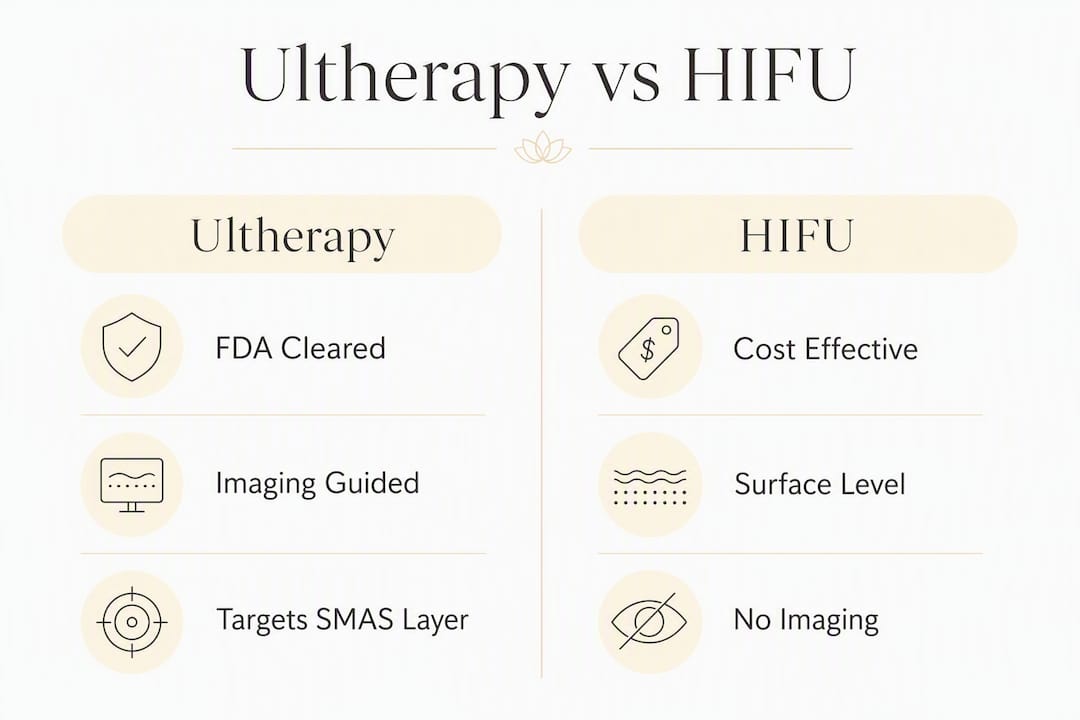
- Ultherapy carries FDA clearance for non-invasive lifting of the brow, neck, and chin, plus real-time DeepSEE imaging that lets practitioners see exactly where energy is delivered.
- Generic HIFU devices typically target the dermis and superficial fat layer without live imaging, making them effective for skin quality but less precise for deep structural lift.
- Manufacturer data cites high patient satisfaction at year one across those millions of treatments, a figure that reflects both the technology's consistency and the importance of proper patient selection.
Table of Contents
- How do Ultherapy and HIFU actually deliver lift?
- Ultherapy vs HIFU: the dimensions that matter
- What results can you expect, and when?
- Side effects, risks, and who is a good candidate
- How to choose between Ultherapy and HIFU in Singapore
- When do holistic clinic alternatives make more sense?
- What clients in Singapore say about their results
- Does insurance or financing cover these treatments in Singapore?
- Key Takeaways
- Why combination wellness packages resonate with so many clients
- Houseofwellnesssg: integrative skin and wellness care in Singapore
- Further reading and trusted sources
How do Ultherapy and HIFU actually deliver lift?
Both treatments use microfocused ultrasound to create tiny thermal coagulation points inside targeted tissue. The heat triggers your body's natural wound-healing response, producing new collagen over the weeks that follow. Cleveland Clinic describes this as heating deep tissue to stimulate collagen, with most patients resuming normal activities the same day.
The critical difference is targeting depth and imaging:
- 1.5 mm depth reaches the superficial dermis, improving texture and fine lines.
- 3.0 mm depth targets the deeper dermis and subcutaneous layer for more visible tightening.
- 4.5 mm depth reaches the SMAS (superficial musculoaponeurotic system), the same fibromuscular layer a surgeon tightens during a facelift.
The SMAS layer is what separates a subtle refresh from a genuine structural lift. Ultherapy's DeepSEE imaging lets the practitioner visualize tissue in real time before each pulse, confirming the transducer is positioned correctly. Many generic HIFU systems deliver energy without that live view, relying on anatomical landmarks alone.
Microfocused ultrasound with visualization (MFU-V) is supported by a narrative review of multiple studies confirming measurable improvements in skin firmness, surface evenness, tone, and glow, with histological studies reporting increases in collagen Types I and III following treatment.
The latest Ultherapy PRIME generation received expanded FDA clearance recently to include the arms and abdomen, with engineering updates that reduce treatment discomfort and shorten session time.
Ultherapy vs HIFU: the dimensions that matter
Ultherapy favors clients who want a documented, imaging-guided SMAS lift. HIFU suits those prioritizing affordability and skin-quality maintenance.
| Dimension | Ultherapy | HIFU |
|---|---|---|
| Technology | Microfocused ultrasound with DeepSEE real-time imaging | Microfocused ultrasound, typically no live imaging |
| Target tissue depth | 1.5 mm, 3.0 mm, 4.5 mm (SMAS) | 1.5 mm, 3.0 mm (dermis/subcutis) |
| Typical treatment areas | Face, neck, brow, décolleté, arms, abdomen | Face, neck, jawline, body (device-dependent) |
| Number of sessions | Usually 1 per year | 1–3 sessions; lighter sessions may be spaced 4–6 weeks apart |
| Pain and anesthesia | Moderate; topical numbing cream standard | Mild to moderate; topical numbing optional |
| Downtime | None; possible transient redness/tenderness | None; possible transient redness/tenderness |
| Visible result timeline | Gradual over several months | Gradual over a shorter timeframe |
| Result durability | Over a year | Several months |
| Typical Singapore cost | SGD 1,500–SGD 3,000+ per session | SGD 300–SGD 1,200 per session |
| Regulatory status | FDA-cleared (USA); widely available in Singapore | MFDS-approved (Korea); available in Singapore |
Key practical takeaways from the comparison:
- SMAS-depth targeting is only reliably achieved with Ultherapy's 4.5 mm transducer and imaging confirmation, making it the preferred choice when structural lift is the primary goal.
- Korean HIFU devices typically cost significantly less than Ultherapy in comparable markets, which is why budget-conscious clients often stage multiple lighter HIFU sessions to build cumulative collagen remodeling.
- Durability favors Ultherapy: results commonly hold for over a year versus several months for most HIFU protocols.
- Device generation matters. Ultherapy PRIME's NFC-authenticated transducers add a layer of quality assurance that generic HIFU cartridges do not offer.
What results can you expect, and when?
Most people see gradual improvement rather than an immediate dramatic change. Here's a realistic timeline:
- Immediately after: Mild redness, slight puffiness, and a sense of warmth in treated areas. These settle within hours to a day.
- Weeks 1–4: Collagen synthesis begins. You may notice subtle firmness, but visible lifting is not yet apparent.
- Months 2–3: The most noticeable changes emerge as new collagen matures. Skin feels firmer and contours appear more defined.
- Months 3–6: Peak results for Ultherapy, per Cleveland Clinic's guidance. HIFU results often peak slightly earlier.
- Months 6–12+: Maintenance phase. A single annual Ultherapy session or a HIFU refresh every 6–9 months can sustain results.
Dermatologists caution that ultrasound-based treatments work best for mild-to-moderate laxity and function as non-surgical maintenance or early-intervention options — not replacements for a surgical facelift.
Factors that shift the timeline include age, baseline skin quality, the device and protocol intensity used, and whether you layer complementary treatments. Combining a single Ultherapy or HIFU session with radiofrequency or microcurrent sessions over a 3-month plan can meaningfully extend visible benefits.
Side effects, risks, and who is a good candidate
Both procedures are low-risk, same-day treatments. SingHealth notes that patients should expect possible transient redness, swelling, or tenderness, particularly along bony areas, with no surgical recovery time required.
Common side effects:
- Temporary redness and warmth (resolves within hours)
- Mild swelling, especially around the jawline and cheekbones
- Tenderness over bony prominences that may linger for a few days to a couple of weeks
- Rare: temporary numbness or tingling along nerve pathways
Less common but worth knowing:
- Focal fat atrophy is a rare risk in patients with very thin facial fat, making imaging guidance especially valuable for those with lean facial anatomy.
Contraindications (discuss with your practitioner):
- Pregnancy
- Active skin infection, open wounds, or cystic acne at the treatment site
- Certain implanted electrical devices (pacemakers, cochlear implants) depending on the specific device used
- Severe or unstable skin conditions in the treatment zone
Pro Tip: If you have thin facial fat or atypical facial anatomy, ask specifically whether the clinic uses real-time imaging. DeepSEE guidance meaningfully reduces the risk of overtreating subcutaneous fat and helps position transducers more safely for your unique anatomy.
Good candidates are adults with mild to moderate skin laxity who want a non-surgical option with no downtime. Those with significant sagging or very loose skin are better served by a surgical consultation first.
How to choose between Ultherapy and HIFU in Singapore
Choose based on your clinical goal, anatomy, budget, and comfort tolerance.
At your consultation, ask:
- Does this device offer real-time imaging? (Ask specifically about DeepSEE for Ultherapy.)
- Can you show me NFC transducer authentication for Ultherapy PRIME cartridges?
- Who performs the treatment — a licensed physician or a trained therapist?
- Can I see before-and-after documentation from patients with similar anatomy?
- What is the follow-up policy if I have concerns after treatment?
Ballpark costs in Singapore (SGD):
- Ultherapy full face and neck: SGD 1,500–SGD 3,000+ per session (varies by shot count, area, and practitioner level)
- HIFU full face: SGD 300–SGD 1,200 per session (varies by device, area, and package deals)
- Consultation fees: SGD 50–SGD 150, sometimes waived with treatment booking
Red flags to watch for:
- Pricing significantly below market norms with no explanation
- No visual documentation of treated tissue layers
- Unwillingness to show device authentication or practitioner credentials
- Pressure to book multiple sessions upfront without a clear clinical rationale
Typical booking timeline in Singapore:
- Initial consultation (30–45 minutes): assessment, photos, treatment plan
- Treatment session (45–90 minutes depending on area)
- Follow-up check at 4–6 weeks
- Results review at 3 months; maintenance plan discussed
When do holistic clinic alternatives make more sense?
Combination protocols often deliver superior texture, hydration, and perceived lift when deep structural work isn't the primary need. For mild laxity, a preference for gentler modalities, or a tighter budget, non-ultrasound options can be equally satisfying.
Houseofwellnesssg offers several complementary modalities worth considering:
- Radiofrequency (RF): Delivers heat-based collagen remodeling at the dermal level, with a warming sensation similar to a hot stone massage. Pairs well with HIFU for layered tightening.
- Cryotherapy: Uses controlled cold to reduce inflammation, refine pores, and improve skin tone. Particularly soothing after any heat-based treatment.
- Microcurrent sculpting: Re-educates facial muscles and contours the face without heat or discomfort. A good weekly or bi-weekly maintenance option.
- Lymphatic drainage massage: Supports post-procedure recovery by reducing puffiness and encouraging circulation.
| Modality | Primary benefit | Best combined with |
|---|---|---|
| Radiofrequency | Dermal collagen remodeling, heat-based lift | HIFU or Ultherapy for layered depth |
| Cryotherapy | Inflammation reduction, tone refinement | Post-ultrasound recovery sessions |
| Microcurrent sculpting | Muscle re-education, facial contouring | Ongoing maintenance between ultrasound sessions |
| Lymphatic drainage | Puffiness reduction, circulation support | Immediately post-procedure |
A practical 3-month plan might look like: one Ultherapy or HIFU session in month one, followed by two RF sessions and two microcurrent sessions spread across months two and three. This layered approach addresses both structural lift and surface skin quality, extending the visible benefit of the initial ultrasound treatment.
What clients in Singapore say about their results
Honest feedback from Singapore clients tends to cluster around a few consistent themes. Those who chose Ultherapy most often describe a noticeable jawline definition and brow lift that develops gradually over two to three months, with results that hold well past the one-year mark. The treatment is described as more intense than HIFU, with a deeper, intermittent heat sensation during the session, but most find it manageable with topical numbing.
Clients who opted for HIFU sessions frequently highlight the gentler experience and the ability to space multiple lighter sessions over several months, which suits busy schedules and spreads the cost. The improvement in skin texture and tone is often the first thing they notice, with mild lifting becoming apparent around the six-week mark. Several note that combining HIFU with RF or microcurrent sessions at a holistic clinic gave them a more rounded result than ultrasound alone.
A common thread across both groups: realistic expectations matter. Clients who understood they were investing in gradual, natural-looking improvement, rather than a dramatic overnight change, consistently reported higher satisfaction.
Does insurance or financing cover these treatments in Singapore?
Ultherapy and HIFU are classified as aesthetic procedures in Singapore, which means they fall outside the scope of MediShield Life and Integrated Shield Plans. Neither treatment is claimable under standard health insurance policies, and CPF Medisave cannot be used for elective cosmetic procedures.
Financing options do exist, though availability varies by clinic:
- Some aesthetic clinics offer installment plans through credit card partnerships (DBS, OCBC, UOB) with 0% interest over 3–12 months.
- A few clinics work with third-party medical financing providers, though these are more common for surgical procedures.
- Package deals, where you pre-purchase a series of sessions at a reduced per-session rate, are the most widely available cost-management option in Singapore.
Houseofwellnesssg's holistic packages offer a more accessible entry point for clients who want visible skin improvement without the full cost of a single Ultherapy session, with the added benefit of combining multiple modalities in one visit.
Key Takeaways
Ultherapy is the more precise, longer-lasting option for SMAS-level lifting, while HIFU offers an affordable, flexible path to dermal tightening and skin quality improvement in Singapore.
| Point | Details |
|---|---|
| Ultherapy for structural lift | FDA-cleared with DeepSEE imaging; targets SMAS at 4.5 mm for genuine structural lift lasting 12–18+ months. |
| HIFU for affordable tightening | Effective for dermal tightening and skin texture; results typically last 6–12 months at a lower per-session cost. |
| Neither replaces surgery | Dermatologists confirm both work best for mild-to-moderate laxity as non-surgical maintenance, not facelift alternatives. |
| Combination protocols extend results | Pairing ultrasound with radiofrequency, cryotherapy, or microcurrent over 3 months deepens and prolongs visible improvement. |
| Houseofwellnesssg as your next step | Book a customizable session combining RF, cryotherapy, or microcurrent sculpting as a complement or gentler alternative to ultrasound lifting. |
Why combination wellness packages resonate with so many clients
Many clients arrive not just wanting to look refreshed, but wanting to feel restored. That distinction shapes everything about how a treatment plan comes together. A single ultrasound session addresses structure, but it doesn't address the tension you carry in your jaw, the dullness that comes from a run of late nights, or the simple need to slow down for an hour.
Combination packages work because they meet the whole picture. A client might pair a HIFU session with a cryotherapy treatment to calm post-procedure warmth, then return two weeks later for a microcurrent session that gently re-educates facial muscles and adds definition without any heat at all. Over three months, the cumulative effect is a face that looks naturally well-rested rather than "treated."
The scheduling cadence matters too. Monthly or bi-monthly visits create a rhythm of care that reinforces results and gives you a dedicated window to check in with your skin. Clients who treat their sessions as part of a broader wellness routine, rather than a one-time fix, consistently see and feel the difference.
Houseofwellnesssg: integrative skin and wellness care in Singapore
Houseofwellnesssg is the in-clinic alternative for clients who want real, visible skin improvement without committing to a single high-cost ultrasound procedure. The clinic's integrative approach pairs advanced skin modalities with genuine relaxation, treating your skin and your wellbeing as one connected system.

Services relevant to readers comparing lifting options:
- Radiofrequency for heat-based collagen remodeling and skin tightening
- Cryotherapy for inflammation control, tone refinement, and post-treatment recovery
- Microcurrent sculpting for muscle re-education and facial contouring
- Lymphatic drainage for puffiness reduction and circulation support
- Customizable session lengths that blend modalities to match your skin goals and schedule
Every session at Houseofwellnesssg is tailored to your skin's current needs, using premium products from Sothys and Dermalogica, with no sales pressure. Browse the full range of treatments and book your appointment directly online, or visit the clinic at Tanjong Pagar, Singapore.
Further reading and trusted sources
- Ultherapy official site and FAQ — FDA clearance details, DeepSEE imaging, and treatment area information.
- Cleveland Clinic: Ultherapy overview — mechanism, collagen stimulation, and typical result timeline.
- PubMed: Dermatologist perspective on non-surgical ultrasound — clinical evidence for mild-to-moderate laxity and maintenance framing.
- SingHealth: Ultraformer III / HIFU patient guidance — Singapore-specific side effect and downtime guidance.
- MFU-V narrative review (mymedicineadvisor.com) — 67-study analysis of microfocused ultrasound outcomes and collagen data.
- Mayo Clinic: High-intensity focused ultrasound — broad HIFU context and outpatient procedure overview.
- WebMD: How Ultherapy works — accessible explainer on microfocused ultrasound mechanism.
Practice tip: At your consultation, always ask to see device authentication (NFC cartridge verification for Ultherapy PRIME) and confirm whether real-time imaging will be used. These two checks are the clearest indicators of a clinic's commitment to safe, predictable outcomes.
This article is for general information only and is not a substitute for professional medical advice. Confirm current treatment protocols and suitability with a licensed practitioner before booking.