
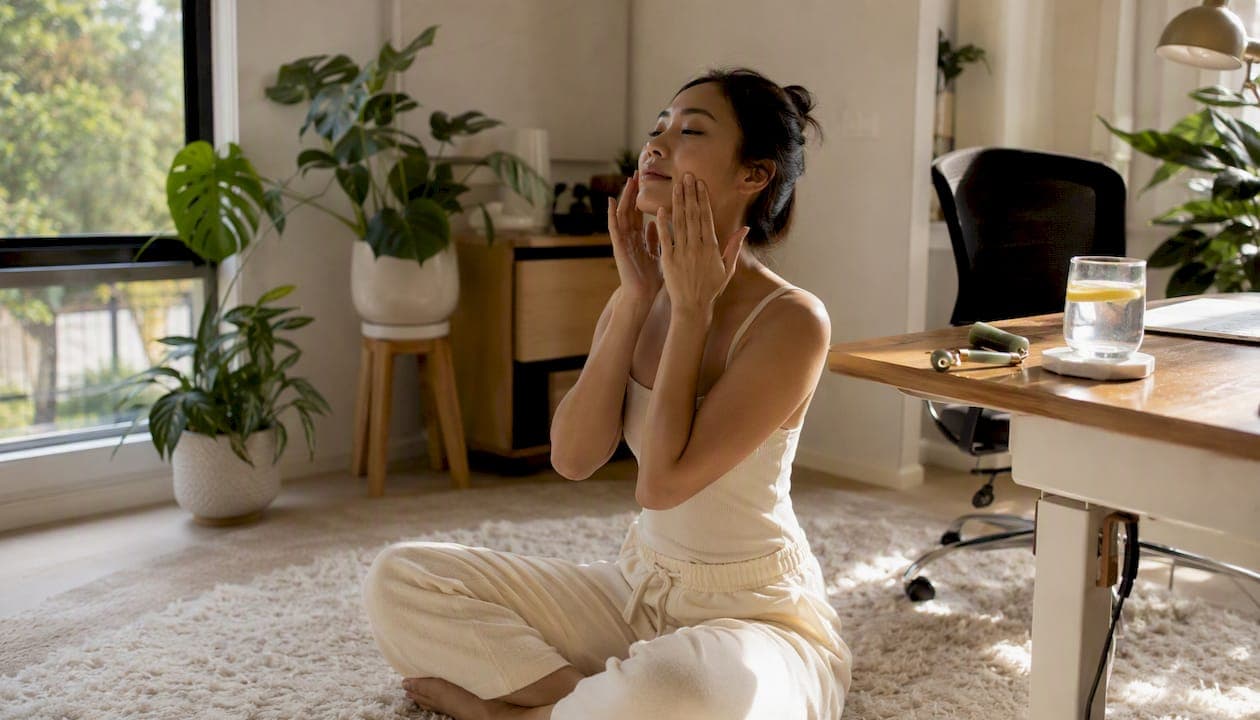
Most morning facial puffiness is temporary fluid retention (edema) and can ease within minutes to hours using simple at-home steps. Apply a cold compress, spend two minutes on a gentle lymphatic massage, and sleep with your head slightly elevated tonight. Those three steps alone address the most common causes. If the swelling is sudden, one-sided, or comes with breathing difficulty, skip the home remedies and go straight to an A&E.
Daily hydration matters more than most people realize. Research from Medical News Today references general guidelines that recommend daily hydration amounts for men and women that vary depending on activity and climate. Staying well-hydrated helps your kidneys flush excess sodium, which is one of the most common drivers of facial bloating.
For recurring puffiness that doesn't respond to lifestyle changes, clinic-level treatments like lymphatic drainage, cryotherapy, and radiofrequency offer more controlled, longer-lasting results. Houseofwellnesssg in Singapore provides all of these under one roof.
Table of Contents
- What causes water retention in your face?
- How do you know if your puffy face is water retention?
- Fast home remedies to reduce facial puffiness right now
- Daily habits that prevent recurring facial puffiness
- What clinic treatments can do for persistent puffiness
- When facial swelling needs a doctor, not a spa
- How to track your symptoms and find your triggers
- Prevention tips for Singapore's climate and lifestyle
- Over-the-counter products that can help
- Key Takeaways
- The approach that actually works for recurring puffiness
- Houseofwellnesssg offers targeted relief for persistent facial puffiness
- Useful sources and further reading
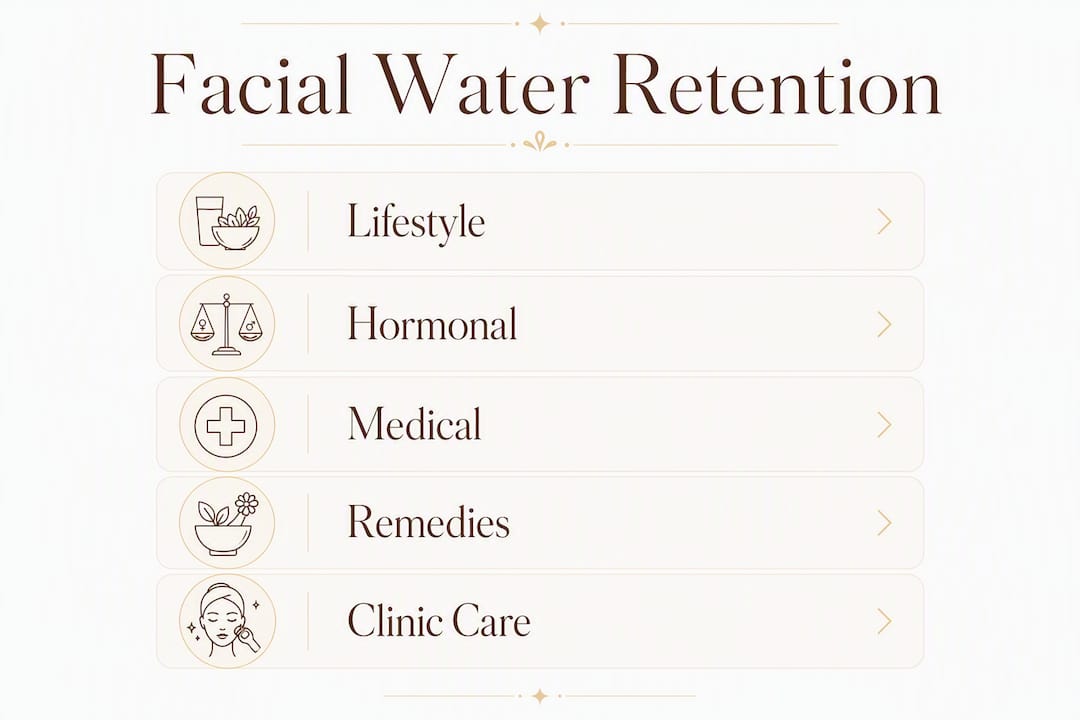
What causes water retention in your face?
Facial edema has a wide range of triggers, and most of them are controllable once you know what to look for.

Lifestyle triggers
The most common culprits are dietary and behavioral. A high-sodium meal the night before, especially sushi, ramen, or processed snacks, draws water into facial tissues through osmosis. Dietitians sometimes call this "sushi face" — a vivid shorthand for how quickly a salt-heavy dinner shows up on your cheeks the next morning. Alcohol compounds the problem by dehydrating the body, which paradoxically causes it to hold onto water. Poor sleep, particularly sleeping flat or on your stomach, allows fluid to pool in the face overnight. Long periods of sitting, such as a desk day or a flight, slow lymphatic circulation and can leave you looking puffy by arrival.
Physiological and hormonal triggers
Hormonal shifts are a significant but often overlooked cause. Estrogen fluctuations during PMS, pregnancy, and perimenopause all affect how the body regulates fluid. Aging reduces skin elasticity and lymphatic efficiency, so the same amount of retained fluid becomes more visible. Genetics also play a role: some people are simply more prone to facial puffiness after salty meals than others.
Medical triggers to watch
Allergic reactions, sinus infections, thyroid disorders, and certain medications can all cause facial swelling that looks similar to lifestyle-related edema but requires a different response. Drug reactions to aspirin, penicillin, sulfa drugs, and corticosteroids are documented facial swelling causes. If you've recently had dermal fillers, some post-procedure edema is expected, but persistent swelling or asymmetry after cosmetic injections should be assessed by the treating clinician.
Pro Tip: Keep a quick note on your phone after any meal that leaves you puffy the next morning. Three or four entries will usually reveal a pattern, whether it's sodium, alcohol, or a specific food group.
How do you know if your puffy face is water retention?
Timing is the clearest indicator. Fluid retention in the face tends to be worst on waking and gradually improves as you move around and gravity helps drain pooled lymph. If your puffiness is largely gone by midday, that pattern strongly suggests edema rather than weight gain or structural fat.
Texture tells you a lot too. Press gently on the puffy area with one finger. Fluid retention feels soft and slightly squishy, and the skin may shift a little under light pressure. Fixed fullness that doesn't move, or a localized firm lump, points to something other than retained water.
Red flags that need medical attention:
- Swelling that is one-sided, painful, or accompanied by warmth and redness
- Puffiness that has not improved after 48–72 hours
- Swelling following a bee sting, new food, or new medication
- Any facial swelling with breathing difficulty, difficulty swallowing, or dizziness
Fast home remedies to reduce facial puffiness right now
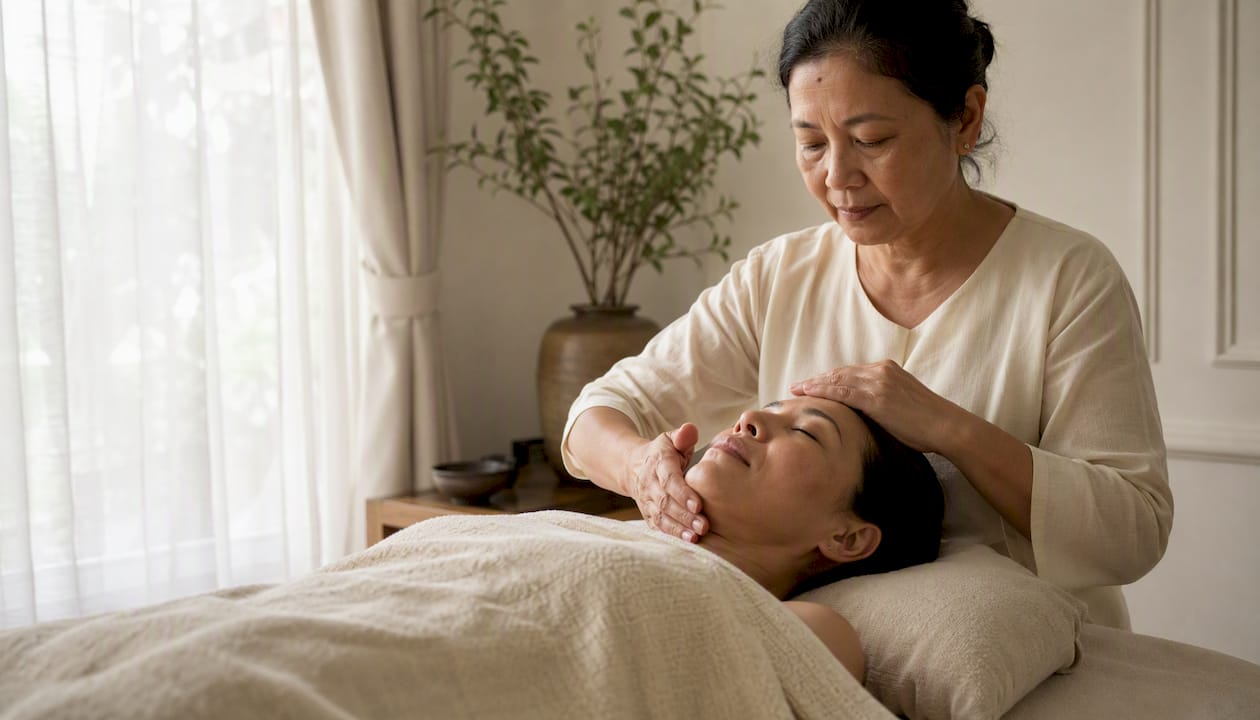
These techniques work by encouraging lymphatic drainage and reducing blood vessel dilation. Effects are real but temporary, typically lasting a few hours, so pairing them with the lifestyle changes in the next section is what creates lasting improvement.
Step-by-step lymphatic facial massage (2–3 minutes)
- Start at the center of your forehead. Using your index and middle fingers, make light, slow strokes outward toward your temples. Repeat four times.
- Move to the under-eye area. Stroke very gently from the inner corner outward toward the ear. Use almost no pressure here — the skin is thin and the lymph nodes are close to the surface.
- Work down the cheeks. Stroke from the nose outward toward the ears, then sweep downward along the jawline toward the neck.
- Finish at the neck. Use flat hands to stroke downward from the jaw toward the collarbone, where lymph drains into the chest. This final step is what actually moves fluid out of the face.
Keep pressure feather-light throughout. Firm pressure compresses lymph vessels rather than opening them.
Cold therapy options
Cold therapy reduces visible swelling through vasoconstriction and temporarily encourages lymphatic movement. Your options at home include:
- Ice roller: Roll over the face for 60–90 seconds after cleansing. Keep moving; don't hold in one spot.
- Cold compress: A clean cloth soaked in cold water and wrung out works well. Apply for 30–60 seconds at a time.
- Cold spoon: Chill two spoons in the freezer for 10 minutes, then press gently under the eyes.
- Cold water splash: Washing your face with cool water in the morning is the simplest version and still effective.
Avoid placing ice directly on bare skin, especially around the eyes.
Comparison: immediate depuffing methods
| Method | Mechanism | Typical effect duration |
|---|---|---|
| Lymphatic massage | Moves fluid toward drainage nodes | 2–4 hours |
| Cold compress / ice roller | Vasoconstriction, reduces vessel dilation | 1–3 hours |
| Head elevation (overnight) | Prevents overnight fluid pooling | Reduces morning puffiness |
| Short cardio (10–15 min walk) | Increases circulation, shifts stagnant fluid | 1–2 hours |
A brisk 10–15 minute walk around your block also helps. Movement activates the calf-muscle pump and general circulation, which shifts fluid that has pooled overnight.
Pro Tip: Cooled black or oolong tea bags placed over closed eyes for five minutes combine cold therapy with caffeine, a mild vasoconstrictor. Caffeinated teas are preferable to herbal options for this purpose because some herbal varieties can irritate sensitive skin.
Daily habits that prevent recurring facial puffiness
Symptom relief is satisfying, but prevention is what stops the cycle. Reducing sodium intake and increasing potassium-rich foods are the two dietary changes with the most direct impact on facial bloating.
A simple daily checklist:
- Morning: Drink a glass of water before coffee. Splash your face with cool water.
- Meals: Swap processed sauces, canned soups, and salty snacks for whole foods. Add bananas, avocado, or sweet potato for potassium, which helps balance sodium at the cellular level.
- Evening: Avoid high-sodium meals within two hours of sleep. Limit alcohol, especially on consecutive nights.
- Bedtime: Elevate your head slightly above heart level using an extra pillow or a wedge. The head needs to be above the heart without compressing the neck — too-high a stack strains the cervical spine and can actually reduce lymphatic drainage.
- Throughout the day: Stand up and move for five minutes every hour if you work at a desk. On long flights, walk the aisle every 60–90 minutes.
Washing your face with cool water and avoiding salty foods before bed are two of the most consistently recommended practical steps across dermatology and nutrition guidance. Sleeping with makeup on is also worth avoiding: residue can cause mild periorbital irritation that mimics or worsens puffiness by morning.
What clinic treatments can do for persistent puffiness
Home tools work well for occasional puffiness. When swelling is frequent, pronounced, or tied to skin laxity, professional treatments offer a more controlled and longer-lasting result.
Treatment options and what to expect
- Microcurrent sculpting: Low-level electrical currents stimulate facial muscles and improve tissue tone. This is particularly useful when puffiness is compounded by reduced skin elasticity, as it addresses both fluid and structure simultaneously.
- Cryotherapy / wood-ice sculpting: Controlled cold application constricts blood vessels and tightens the skin surface. The effect is immediate and visible, making it a popular pre-event treatment. Houseofwellnesssg's wood-ice sculpting session combines this cooling action with contouring massage.
- Radiofrequency: Gentle heat stimulates collagen production and firms the skin over a series of sessions. For people whose puffiness is partly related to tissue laxity, radiofrequency addresses the underlying structure rather than just the fluid.
Most sessions run 45–75 minutes. Mild redness or temporary warmth is normal after cryotherapy or radiofrequency; it typically resolves within a few hours. Before any treatment, a good clinic will review your medical history and ask about contraindications such as active skin infections, pregnancy, or implanted devices.
Pro Tip: Ask your therapist during the consultation: "What is the realistic timeline for my specific concern?" A credible clinician will give you a range, not a guarantee, and will recommend a course rather than a single session if your puffiness is chronic.
Dermatologists and skin experts recommend combining temporary symptom relief with root-cause lifestyle changes for durable results. Clinic treatments work best when they complement, not replace, the daily habits above.
When facial swelling needs a doctor, not a spa
Some facial swelling is a medical issue, not a wellness one. Knowing the difference protects you.
Go to A&E immediately if you have:
- Sudden, severe facial swelling with no obvious cause
- Swelling accompanied by difficulty breathing or swallowing
- Dizziness, hives, or a rapid heartbeat alongside facial swelling
- One-sided swelling that appeared quickly and is worsening
See your GP within a day or two if:
- Swelling has not improved after 48–72 hours despite home care
- You have a fever, facial pain, or swollen lymph nodes alongside the puffiness
- You recently started a new medication and your face has swollen
- You suspect a dental infection (lower face, jaw, or cheek swelling with tooth pain)
Tell your doctor:
- When the swelling started and whether it came on suddenly or gradually
- Any foods, medications, or products you used in the 24 hours before it appeared
- Whether you've had recent cosmetic procedures, including fillers or Botox
- All current medications, including supplements and over-the-counter antihistamines
Persistent or sudden facial swelling can signal allergic reactions, thyroid disorders, or infections and requires proper medical evaluation. This article is general information, not medical advice. For any swelling that concerns you, consult a qualified clinician or visit a Singapore polyclinic or hospital.
How to track your symptoms and find your triggers
A symptom diary is one of the most underused tools for managing recurring facial puffiness. You don't need an app or a spreadsheet. A simple note in your phone, logged each morning, can reveal patterns within two weeks.
What to record each morning:
- Puffiness level on a simple 1–3 scale (none, mild, noticeable)
- What you ate and drank the previous evening
- Sleep time, sleep position, and approximate quality
- Any medications, supplements, or new skincare products used
- Hormonal phase if relevant (PMS week, for example)
After 10–14 days, look for correlations. Most people find one or two consistent triggers, typically a specific food category, alcohol, or a disrupted sleep night. Once you've identified your pattern, you can test removing one variable at a time to confirm it.
If your diary shows puffiness that is unrelated to any lifestyle factor and doesn't follow a predictable pattern, that's a useful data point to bring to a GP or dermatologist. A written record also helps a clinic therapist tailor your treatment plan more precisely.
Prevention tips for Singapore's climate and lifestyle
Singapore's heat and humidity create a specific set of challenges for facial fluid retention. The body sweats heavily to regulate temperature, which can lead to sodium loss followed by compensatory retention when you rehydrate with plain water rather than electrolyte-balanced fluids. Air-conditioned offices and malls compound the issue: moving between hot, humid outdoor air and cold, dry indoor air repeatedly throughout the day stresses the skin barrier and can trigger mild inflammation that mimics puffiness.
A few adjustments make a real difference here:
- Hydrate with electrolytes, not just water. Coconut water, low-sugar sports drinks, or a small pinch of salt in your water bottle helps maintain the sodium-potassium balance that prevents osmotic retention.
- Limit hawker center high-sodium dishes in the evening. Char kway teow, laksa, and wonton noodle soup are delicious but sodium-dense. Enjoying them at lunch rather than dinner gives your body more time to process the salt before you sleep.
- Protect your skin barrier outdoors. A light SPF moisturizer reduces UV-triggered inflammation, which can worsen the appearance of puffiness, especially around the eyes.
- Manage air-conditioning exposure. A small humidifier at your desk or a barrier cream at night helps prevent the skin dehydration that makes fluid retention more visible.
The combination of heat, hawker food culture, and long air-conditioned work hours makes Singapore residents particularly susceptible to the sodium-dehydration-retention cycle. Awareness of that cycle is the first step to breaking it.
Over-the-counter products that can help
Several product categories have genuine, if temporary, evidence behind them for reducing facial puffiness.
Caffeine-based eye creams and serums work through mild vasoconstriction. Look for caffeine listed in the first five ingredients. Apply with a light tapping motion rather than rubbing, which can worsen under-eye puffiness. Brands like The Inkey List and The Ordinary both offer affordable caffeine serums widely available in Singapore pharmacies and beauty retailers.
Cooling gels and sheet masks stored in the refrigerator combine cold therapy with hydrating actives. Aloe vera-based gels are gentle and widely available; cucumber-extract masks serve a similar function.
Gua sha tools and ice rollers are mechanical rather than chemical. They work by temporarily encouraging lymph fluid toward drainage nodes through vasoconstriction and light pressure. Rose quartz and stainless steel rollers both work; the key is keeping them cold and using the correct outward-and-downward stroke direction.
Retinol and peptide creams address the skin laxity component of puffiness over time rather than acutely. These are longer-term investments, typically showing results after eight to twelve weeks of consistent use.
A note of caution: beauty and dermatology experts consistently emphasize the temporary nature of topical-only approaches. No cream or roller eliminates the underlying cause. Products work best as part of the broader lifestyle approach described throughout this article.
Key Takeaways
Facial water retention is almost always manageable with the right combination of immediate relief, daily habits, and, for persistent cases, professional treatment.
| Point | Details |
|---|---|
| Immediate relief trio | Cold therapy, gentle lymphatic massage, and head elevation each reduce puffiness within hours. |
| Root-cause prevention | Reducing evening sodium and alcohol, staying hydrated, and moving regularly prevents most recurring episodes. |
| Red flags need medical care | Sudden, one-sided, or breathing-related swelling requires A&E; persistent swelling over 48–72 hours warrants a GP visit. |
| Track to find your triggers | A 10–14 day morning diary identifying food, sleep, and lifestyle patterns reveals personal triggers faster than guesswork. |
| Houseofwellnesssg for persistent cases | Lymphatic drainage, cryotherapy, microcurrent, and radiofrequency sessions at Houseofwellnesssg offer targeted, clinic-level relief in Singapore. |
The approach that actually works for recurring puffiness
The conventional wisdom on facial puffiness tends to split into two camps: "just drink more water" on one side, and "book a facial" on the other. Neither alone is particularly useful advice.
What we see consistently at Houseofwellnesssg is that the people who get lasting results are the ones who treat puffiness as a system problem rather than a symptom to suppress. A typical assessment starts with a lifestyle review: sleep quality, diet patterns, stress levels, and any medications or hormonal factors. From there, we look at the symptom diary, if the client has kept one, and identify whether the puffiness is primarily fluid-driven, laxity-driven, or a combination of both. That distinction changes the treatment plan entirely.
Manual lymphatic drainage is often the first session we recommend because it gives both immediate visible results and useful diagnostic information: how the fluid moves, where it pools, and how quickly it clears tells us a great deal about the underlying cause. For clients with tissue laxity contributing to their puffiness, we layer in microcurrent or radiofrequency over a short course. For those whose puffiness is primarily lifestyle-driven, the at-home routine adjustments often do most of the work, with a clinic session every few weeks as maintenance.
The reassurance I want to leave you with is this: facial puffiness is rarely a serious problem, and it responds well to care. But it responds best when the care is specific to you, not generic. If you've been trying the same home remedies for months without lasting change, a single consultation can often reframe the whole picture.
Houseofwellnesssg offers targeted relief for persistent facial puffiness
When at-home steps aren't enough, Houseofwellnesssg in Singapore provides a calm, personalized space to address facial water retention with professional precision. The difference from a generic facial is specificity: each session begins with a brief assessment so the therapist understands whether your puffiness is fluid-driven, laxity-related, or both, and selects the right modality accordingly.

The clinic's core depuffing treatments include wood-ice sculpting for immediate cooling and contouring, microcurrent sculpting for tissue tone and fluid movement, and radiofrequency for longer-term firming. A single session suits you well if you want visible results before an event. A short course of sessions is recommended when puffiness is chronic or tied to skin laxity. Booking is straightforward: online, by phone, or walk-in at the Tanjong Pagar location. View the full treatment menu and book your session at Houseofwellnesssg.
Useful sources and further reading
The following sources informed this article and are worth bookmarking for reliable, evidence-based guidance on facial swelling and edema:
- Cleveland Clinic: Facial Swelling — Symptoms and Causes — The go-to reference for understanding when facial swelling crosses from cosmetic concern to medical issue. Use this for red-flag criteria.
- Medical News Today: Puffy Face in the Morning — Covers lifestyle triggers, hydration guidelines, and sleep posture guidance in accessible language.
- Healthline: Foods to Reduce Facial Bloating — Practical dietary guidance on sodium, potassium, and hydration strategies.
- Healthline: How to Reduce Swelling in Face — Step-by-step home remedy guidance reviewed by dermatology professionals.
- BBC: Can Ice Baths, Gua Shas and Caffeine Cream Really Depuff Your Face? — Balanced expert commentary on the temporary nature of topical and tool-based approaches.
- InStyle: How to Depuff Your Face — Beauty-focused roundup of expert-recommended tools and their limitations.
- Houseofwellnesssg: Services Overview — Local Singapore resource for booking clinic-level lymphatic drainage, cryotherapy, microcurrent, and radiofrequency treatments.
A note on trusting your sources: For red-flag symptoms, always defer to medical sources like Cleveland Clinic or MedlinePlus over beauty publications. For day-to-day management and product choices, dermatology-reviewed platforms like Healthline offer a reliable middle ground. For in-person assessment in Singapore, a polyclinic GP is the right first stop for any swelling that concerns you medically; Houseofwellnesssg is the right call when you're ready to address recurring puffiness with professional wellness care.