
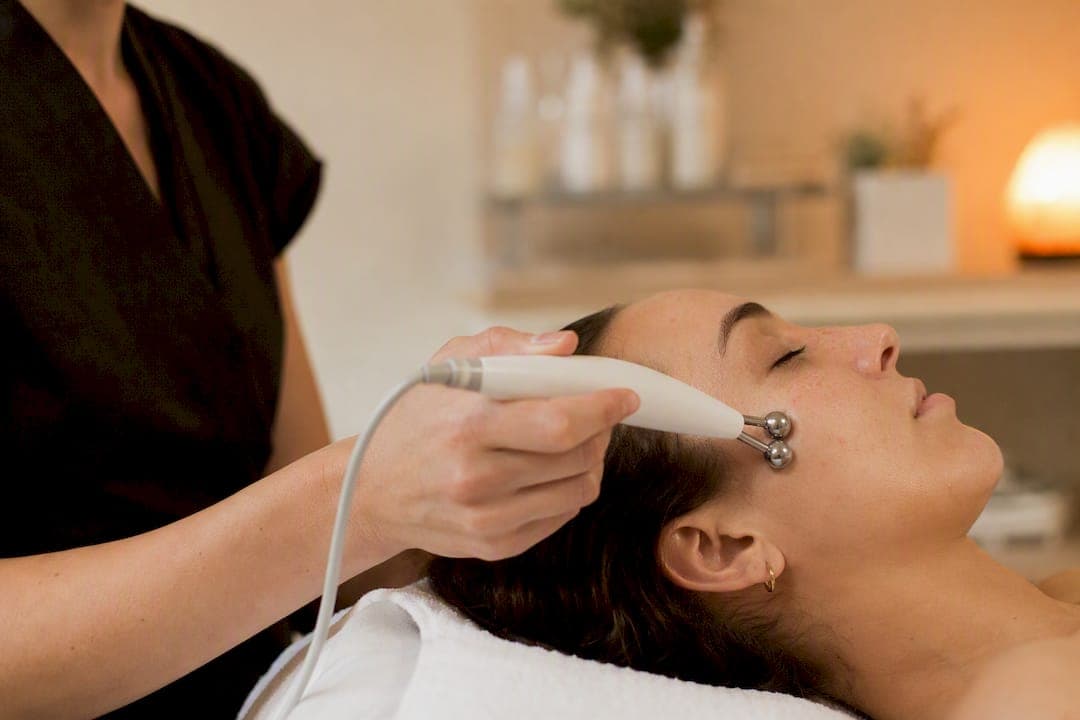
Microcurrent facials deliver modest, maintenance-focused benefits: temporary lifting, improved tone, better circulation, and reduced puffiness, backed by peer-reviewed research into ATP stimulation and fibroblast activity. Results build with consistency and fade without upkeep. This is not a one-and-done fix. It's a rhythm, much like the way your skin responds to a consistent sleep schedule rather than one good night's rest.
- Best for: soft lifting, glow, and de-puffing before an event or as a monthly ritual
- Not a substitute for: injectables, radiofrequency, or surgery when the goal is dramatic, lasting change
- Works best when paired with lymphatic drainage or radiofrequency treatments for a fuller result
Key Takeaways
Microcurrent facials produce modest, temporary lifting and tone improvements that depend on consistent, ongoing maintenance rather than a single dramatic transformation.
| Point | Details |
|---|---|
| Realistic expectations | Expect subtle lifting, better tone, and reduced puffiness, not permanent repositioning. |
| Consistency matters most | Weekly sessions for 4 to 6 weeks, then biweekly or monthly upkeep, sustain results. |
| Safety comes first | Skip treatment if pregnant, wearing a pacemaker, or recovering from recent fillers. |
| Pairing amplifies results | Combining microcurrent with lymphatic drainage or radiofrequency gives a stronger effect. |
| Next step in Singapore | Houseofwellnesssg builds microcurrent into customized sessions for maintenance-focused results. |
Table of Contents
- What Are Microcurrent Facial Benefits, and How Does the Treatment Work?
- What Are the Specific Benefits of Microcurrent Facial Treatments?
- What Do Clinical Studies Say About Microcurrent Results and Limits?
- Who Should Avoid Microcurrent, and What Are the Side Effects?
- How Often Should You Get Microcurrent Facials for Results to Last?
- Should You Choose a Professional Treatment or an At-Home Device?
- What Happens During and After a Microcurrent Session?
- How Does House of Wellness Use Microcurrent in a Holistic Treatment Plan?
- Is Microcurrent Facial Treatment Actually Worth It?
- Book a Microcurrent Facial in Tanjong Pagar
- Sources
What Are Microcurrent Facial Benefits, and How Does the Treatment Work?
Microcurrent uses extremely low-level electrical currents, measured in microamperes, to gently stimulate facial muscles and skin tissue. It sits well below the threshold you'd feel as a shock or twitch, which is what separates it from EMS (electrical muscle stimulation) devices designed to contract muscle more forcefully.
The proposed mechanism centers on adenosine triphosphate, or ATP, the energy currency your cells run on. Early research by Cheng and colleagues found that low-level currents increased ATP production in treated tissue, which in theory supports fibroblast activity and modest collagen output.
Quick fact: Professional-grade devices typically run between 10 and 600 microamperes, a range wide enough to allow practitioners to adjust intensity by treatment goal and skin sensitivity.
- Stimulates ATP production in skin cells
- May support fibroblast activity linked to collagen
- Improves local circulation and lymphatic flow
- Operates below the sensory threshold, unlike EMS
Much of this mechanistic evidence comes from lab studies or small clinical trials, so treat the biology as a reasonable explanation, not settled proof of dramatic transformation.
What Are the Specific Benefits of Microcurrent Facial Treatments?
The benefits split into two clear categories: what you notice right after a session, and what accumulates over a series of them.
- Reduced puffiness and improved contour. Microcurrent encourages lymphatic movement, which is why cheeks and jawlines often look sharper immediately after treatment.
- Transient tightening. A single session can create a visible, if temporary, lift, often described as looking like you've had a good night's sleep and a workout in one.
- Improved tone and texture over a course. With repeated sessions, clinical reviews report modest but measurable improvements in skin firmness and texture, though these gains are gradual rather than dramatic.
- Better product absorption. The gel conductor and gentle stimulation can prime skin to take in serums and actives more readily during the session.
- Lymphatic drainage support. Pairing microcurrent with dedicated lymphatic techniques amplifies the de-puffing effect, especially for clients dealing with sinus congestion or fluid retention.
Reality check: Reviews cite small but measurable tone improvements, with single sessions producing short-term effects that fade without ongoing maintenance. Any provider promising permanent repositioning of facial contours with microcurrent alone is overstating what the evidence supports.
What Do Clinical Studies Say About Microcurrent Results and Limits?
The clinical picture is encouraging but modest. A systematic review of microcurrent therapy found measurable but small improvements in skin tone and firmness, with effects that often diminish within weeks of stopping treatment. Earlier medical literature also documents microcurrent's use in wound healing and pain management, giving the technology a longer clinical track record outside pure cosmetics.
Three limitations show up across the research:
- Sample sizes in most trials are small, which limits how confidently results generalize.
- Devices, waveforms, and protocols vary widely between studies, making direct comparisons difficult.
- Follow-up periods tend to be short, so long-term durability is not well established.
The honest framing dermatologists tend to use is that microcurrent works best as a maintenance layer within a broader skincare strategy, not as a replacement for radiofrequency, injectables, or surgical lifting when the goal is significant, lasting change.
Who Should Avoid Microcurrent, and What Are the Side Effects?
Microcurrent is gentle, but it isn't right for everyone. Confirm these contraindications with your practitioner before booking:
- Pregnancy
- Pacemakers, ICDs, or other implanted electrical devices
- Recent dermal fillers or neurotoxin injections (usually within two weeks)
- Open wounds, active acne breakouts, or skin infections
- Epilepsy or a history of seizures
Side effects are typically mild: light tingling during treatment or slight redness afterward that settles within hours. If you notice unusual pain, swelling, or a reaction that doesn't resolve by the next day, stop and consult a doctor.
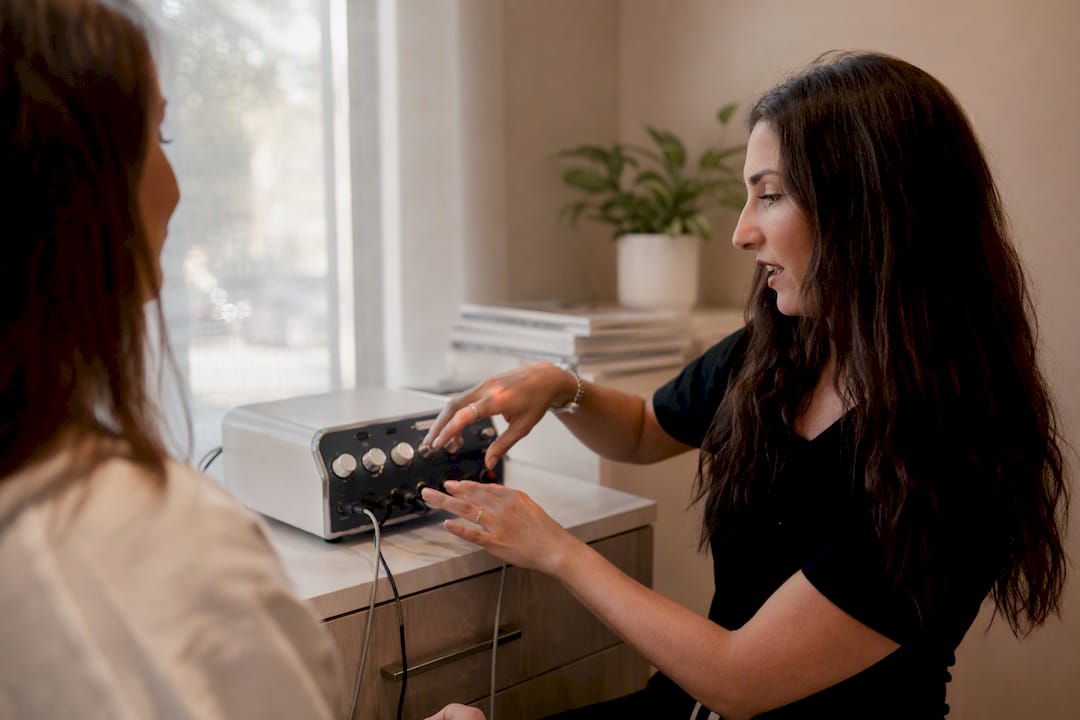
Pro Tip: Always ask your clinic which device they use and what current range it operates in. Reputable Singapore practitioners are happy to explain their protocol and won't hesitate to confirm practitioner training.
How Often Should You Get Microcurrent Facials for Results to Last?
Consistency drives results more than intensity does. A typical protocol looks like this:
- Weeks 1 to 6: Weekly professional sessions to build cumulative tone and firmness improvements.
- After the initial course: Shift to biweekly or monthly maintenance visits to preserve gains.
- At-home devices: Daily or several-times-weekly use, at lower intensity than professional equipment, mainly for upkeep between clinic visits.
Healthline's clinical guidance notes that immediate tightening can last a few days, while cumulative tone improvements require sustained, regular treatment to hold. Skip maintenance for a few months and the improvements gradually fade back toward baseline, which is worth factoring into your budget before committing to a course.
Should You Choose a Professional Treatment or an At-Home Device?
Professional treatments and at-home devices aim at the same mechanism but deliver very different intensity and control.
- Clinic devices often run up to 600 microamperes with far more waveform customization than consumer tools, which typically cap between 100 and 400 microamperes.
- A trained practitioner adjusts probe placement and intensity in real time based on your facial structure and goals, something a handheld device can't replicate.
- Choose professional treatment for event prep, targeted contouring, or when you want faster, more visible cumulative change.
- At-home devices suit mild daily maintenance between clinic visits, not as a substitute for a structured in-clinic course.
Dermatologists interviewed by CNET describe at-home tools as producing real but noticeably subtler results, useful for upkeep rather than transformation.
What Happens During and After a Microcurrent Session?
A typical session runs 30 to 60 minutes and follows a predictable rhythm: cleanse, apply a conductive gel, glide probes across key facial zones, then finish with a soothing mask or serum. Vogue Singapore describes the process as painless, with most clients feeling only a faint tingling and no downtime afterward.
Aftercare is simple but matters:
- Drink water to support lymphatic flow after treatment.
- Stick to gentle, fragrance-free products for the rest of the day.
- Avoid harsh exfoliants, retinoids, or aggressive treatments for 48 hours.
- Check the full aftercare guide for Singapore-specific product recommendations.
How Does House of Wellness Use Microcurrent in a Holistic Treatment Plan?
At Houseofwellnesssg, microcurrent rarely stands alone. It's built into a broader session that treats skin, muscle, and circulation as one connected system.
- Paired with lymphatic drainage massage to maximize de-puffing and contour on the same visit.
- Combined with radiofrequency heat for clients who want a stronger, more noticeable lifting effect.
- Sessions are customized to your skin's current state rather than sold as a fixed package, keeping expectations realistic and grounded in what the treatment can actually deliver.
| Point | Details |
|---|---|
| Core benefit | Microcurrent offers temporary lifting, better tone, and reduced puffiness with regular sessions. |
| Evidence strength | Clinical reviews show modest, measurable improvements that fade without maintenance. |
| Best pairing | Combine with lymphatic drainage or radiofrequency for a stronger, longer-lasting result. |
| House of Wellness role | Integrates microcurrent into customized sessions rather than selling it as a standalone fix. |
Is Microcurrent Facial Treatment Actually Worth It?
The conventional pitch around microcurrent tends to oversell it as a "natural facelift," language that sets clients up for disappointment. The research doesn't support that framing. What it does support is something more useful: a low-risk, no-downtime tool that genuinely improves circulation, tone, and puffiness when used consistently, and pairs well with stronger modalities rather than competing with them.
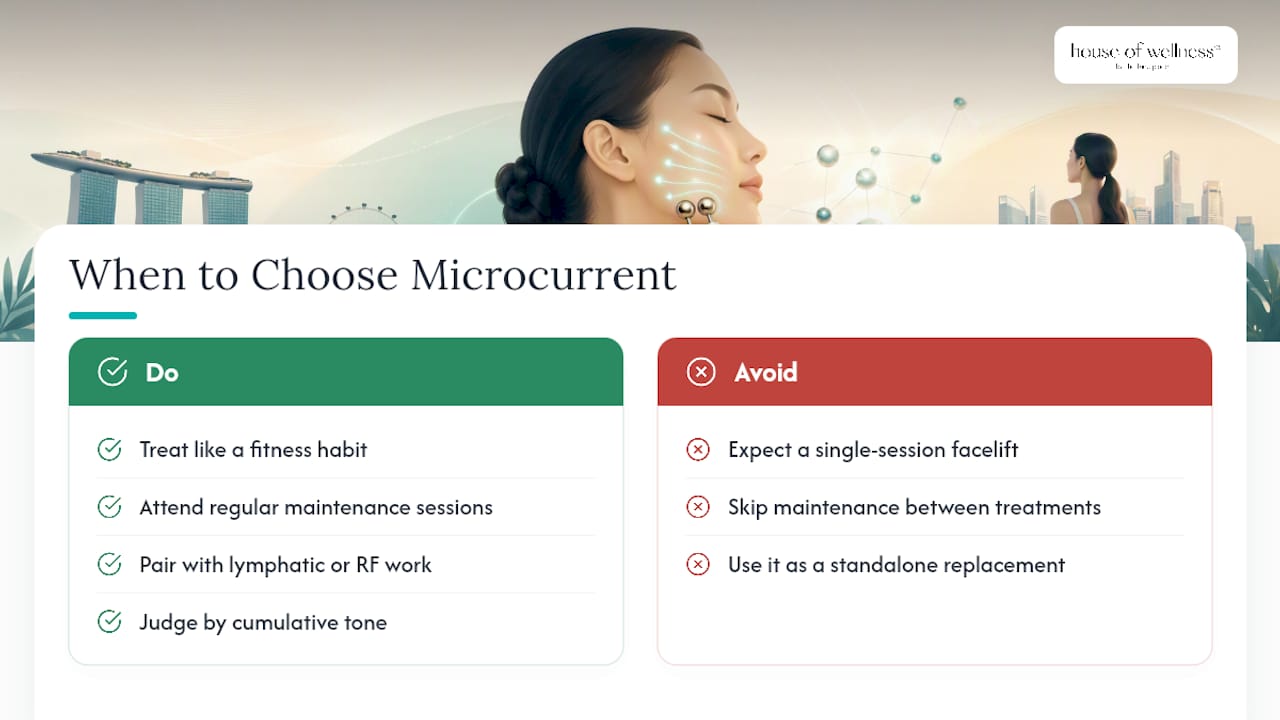
Where most advice falls short is timeline honesty. Clients are rarely told upfront that skipping maintenance means gains fade within weeks, which turns a reasonable investment into a frustrating one if expectations aren't set early. The smarter approach is to treat microcurrent like a fitness habit rather than a procedure. Show up regularly, pair it with complementary treatments like lymphatic work or radiofrequency, and judge it on cumulative tone rather than one dramatic before-and-after photo.
If you're chasing a single big transformation, microcurrent alone won't get you there. If you want a sustainable maintenance layer inside a broader skin health routine, it earns its place.
— house
Book a Microcurrent Facial in Tanjong Pagar
Houseofwellnesssg treats microcurrent as one tool within a customized session, not a standalone miracle. If puffiness, dullness, or a tired-looking jawline are your main concerns, our practitioners can build a session around microcurrent facial treatment paired with lymphatic drainage or radiofrequency heat depending on what your skin needs that week.

Every session is customized without a sales push, so you leave with an honest read on what to expect and when to come back. If you're ready to try it, you can browse our full facial and wellness services in Tanjong Pagar and book a session that fits your schedule and skin goals.
Sources
- Microcurrent therapy review — PMC article
- Microcurrent Devices: Do They Work? — CNET
- Microcurrent Facial: How it works, Professional vs. At-Home, Costs & More — Healthline
- Vogue