
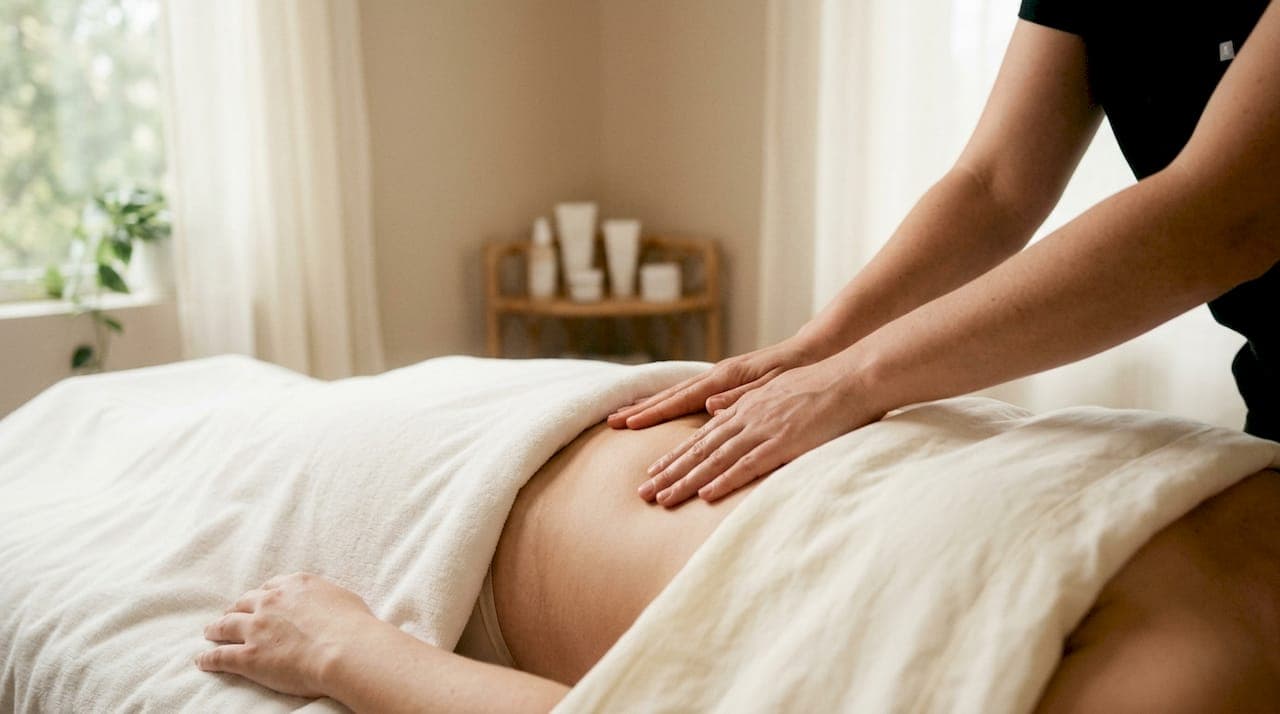
Manual lymphatic drainage (MLD) can reduce postpartum swelling and speed up your comfort when it is done by a trained therapist and cleared by your clinician. That is the short answer, and it holds up against real clinical evidence, not just spa marketing.
The caveat matters just as much as the benefit: if you had a C-section, tearing, or any delivery complication, do not book a session until your obstetric team clears you.
Once you have that clearance, here is where to start:
- Book a session with a therapist who holds a formal MLD certification and has postpartum-specific training.
- If you are still waiting on clearance, try a short at-home breathing and node-prep routine instead (covered below).
- Track your swelling, comfort, and clothing fit over the first two weeks so you can gauge progress.
Key Takeaways
Manual lymphatic drainage works for postpartum swelling because it uses light, directional pressure to move excess fluid toward your body's natural drainage points, and clinical trials back this up when it is paired with clinician clearance.
| Point | Details |
|---|---|
| Clearance comes first | Get clinician sign-off before starting, especially after a C-section or any delivery complication. |
| Evidence is real but bounded | Trials show reduced pain and faster recovery, but sample sizes remain limited, so pair MLD with medical guidance. |
| Pressure should stay light | Sessions use feather-light strokes, not deep tissue pressure, sequenced from central nodes outward. |
| Start slow, track progress | Begin around one to two weeks postpartum if cleared, with weekly sessions for three to six weeks. |
| House of Wellness offers a guided path | Trained therapists build customizable sessions around your delivery history and comfort goals. |
This article is general information, not a substitute for advice from a qualified doctor. Consult a qualified healthcare professional about your own circumstances before acting on anything here.
Table of Contents
- What Is Postpartum Lymphatic Drainage and Does the Research Support It?
- When Should You Avoid Lymphatic Drainage After Childbirth?
- What Happens During a Professional MLD Session?
- Can You Do Lymphatic Drainage at Home Between Sessions?
- When Should You Start MLD and How Often Should You Go?
- How Do You Choose a Qualified Postpartum MLD Therapist?
- Ready to Book Your Postpartum Recovery Session?
- Sources
What Is Postpartum Lymphatic Drainage and Does the Research Support It?
Postnatal lymphatic drainage is a light-touch massage technique designed to move excess fluid through your lymphatic system, the network of vessels and nodes responsible for clearing waste and extra fluid from your tissues. During pregnancy, your body's fluid volume climbs by roughly 50%, which is why so many new mothers deal with puffy ankles, swollen hands, and a heavy, waterlogged feeling in the weeks after delivery. Gentle, rhythmic strokes encourage that extra fluid to drain, rather than pool.
The technique only works when the pressure stays light. Because your lymphatic system has no central pump like your heart, it relies on these gentle strokes and your own breathing to push fluid toward the nodes at your collarbone, underarms, and groin where drainage exits to the bloodstream where drainage exits toward the bloodstream.
The clinical evidence behind this has grown substantially in recent years:
- A 2025 study on MLD and postpartum perineal oedema found statistically significant drops in pain intensity, with p-values ranging from .037 to .014, alongside faster recovery in the group receiving MLD versus conventional care alone.
- A randomized comparison of MLD versus perineal massage in women with gestational oedema showed MLD outperformed massage on both pain and swelling reduction through the puerperium.
- One clinical cohort combining MLD with abdominal breathing recorded recovery times of 3.6 days versus 4.2 days in the comparison group, along with lower inflammatory markers.
None of this makes MLD a cure-all. The studies are encouraging but still limited in size and scope, which is exactly why coordinating with your obstetric provider before starting matters more than any single statistic.
When Should You Avoid Lymphatic Drainage After Childbirth?
Postpartum swelling reduction techniques are not universally safe on day one, and a handful of contraindications should stop you from booking right away.
Skip MLD, or wait for explicit clearance, if any of the following apply:
- You have a fever, active infection, or signs of cellulitis anywhere on your body.
- You have an open or unhealed wound at the treatment site, including a fresh C-section incision.
- You have symptoms suggesting a blood clot (DVT), such as one-sided leg swelling, warmth, or pain.
- You have an unstable cardiovascular condition your doctor has flagged.
If you delivered by C-section, your abdomen and scar area need full incision healing plus explicit sign-off from your clinician before anyone works on that region. A qualified therapist will ask about your delivery type and recovery status before touching you, and will coordinate with your care team rather than guess.
Pro Tip: Bring your discharge summary or a quick note from your OB to your first session. It saves time and gives your therapist the details they need to plan safely around your specific recovery.
What Happens During a Professional MLD Session?
Manual lymphatic drainage for postpartum women follows a deliberate order, and it should never feel like a deep tissue massage. If your therapist applies firm pressure causing soreness, their technique may be incorrect.
A typical session unfolds in this sequence:
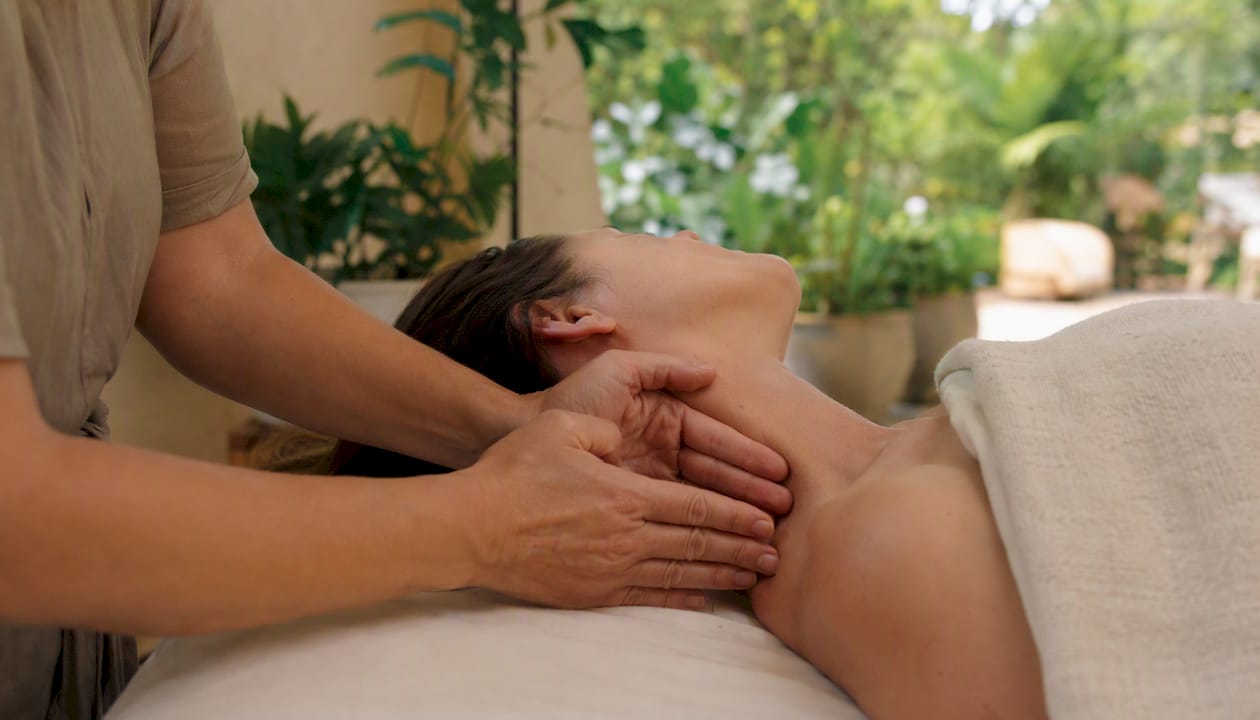
- Central nodes first. The therapist starts at your collarbone, underarms, and groin, clearing the exit routes before moving any fluid. This sequencing principle is drawn directly from clinical trial protocols a sequencing principle drawn directly from clinical trial protocols.
- Regional sweeps toward those nodes. Long, feather-light strokes guide fluid from your limbs or abdomen back toward the cleared pathways, never in the opposite direction.
- Closing and reassessment. The session wraps by rechecking puffiness and comfort, often noting visible change even after one visit.
Sessions in clinical protocols run around 45 minutes, though 30 to 60 minutes is standard depending on how much area needs coverage. Early on, expect weekly visits. Many mothers notice reduced puffiness, easier movement, and looser-fitting clothing after several sessions, though timelines vary based on delivery type and baseline swelling.
Can You Do Lymphatic Drainage at Home Between Sessions?
Self-massage and breathing work will not replace professional care, but they support it, and they cost nothing.
Try this sequence once or twice a day:
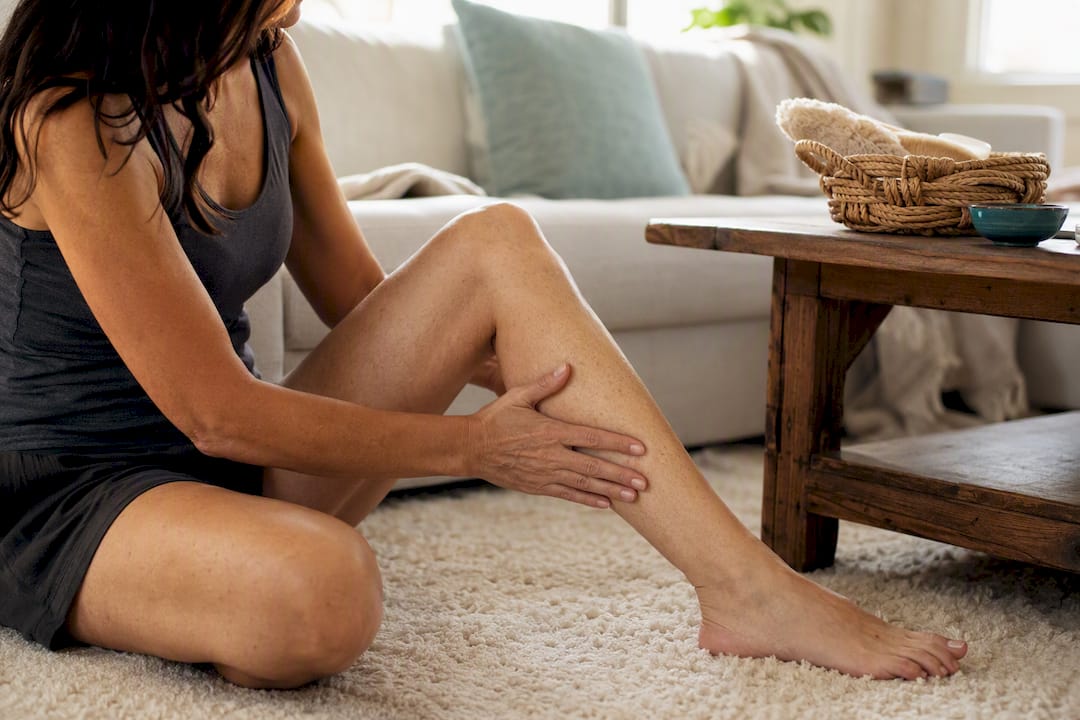
- Breathe first. Lie back, place a hand on your belly, and take five to seven slow, deep breaths, letting your abdomen rise and fall fully. This stimulates central lymph flow more than any stroke on its own.
- Prep your nodes. Use light circular fingertip pressure at your collarbone, underarms, and groin, about 8 to 10 small circles at each point, to open those drainage exits.
- Sweep gently. Move your fingertips from your limbs toward the nodes you just prepped, using barely-there pressure. Skip your abdomen entirely until your clinician clears abdominal work, especially after a C-section.
Pair this with basic lifestyle supports: steady water intake, short daily walks, and compression stockings if your doctor recommends them for leg swelling.
Pro Tip: If your fingertips are pressing hard enough to blanch the skin, ease off. Lymphatic work should feel like dragging a feather, not kneading dough.
When Should You Start MLD and How Often Should You Go?
Timing depends heavily on how you delivered. After an uncomplicated vaginal birth, many providers clear MLD around one to two weeks postpartum. After a C-section, wait until your incision has fully healed and your surgeon signs off, which usually takes longer.
- Start with weekly sessions for three to six weeks, then reassess with your therapist.
- Reduce frequency once swelling, pain, and mobility noticeably improve.
- Track your progress with simple measurements, photos, or a symptom diary so you and your therapist can spot trends, not guesses.
How Do You Choose a Qualified Postpartum MLD Therapist?
Not every massage therapist who advertises "lymphatic drainage" actually practices it correctly, and this is where a lot of new mothers get misled.
Before booking, ask about:
- Formal MLD certification and hours of postpartum-specific training, not just a general massage license.
- Direct experience working around C-section incisions and perineal healing.
- Willingness to require or confirm your clinician's clearance before your first session.
A major red flag: any therapist applying firm, deep pressure while calling it "lymphatic drainage." That pressure works against lymph flow instead of encouraging it, and a lack of clarity about their training history is reason enough to look elsewhere.
Pro Tip: Ask directly, "What will you and won't you work on today?" A qualified therapist answers specifically. A vague answer is your cue to keep looking.
House of Wellness's Take on Postpartum Recovery
We think the biggest gap in postpartum care is treating lymphatic work as an isolated fix rather than one piece of a sequence. Breathing, MLD, and adjunct therapies like radiofrequency work best together, supporting both your comfort and your skin's recovery at the same time. Every body heals on its own timeline, which is why we build sessions around your specific concerns and measure comfort, not just swelling. If you are navigating postpartum recovery, talk with a trained therapist about what your body actually needs right now.
— house
Ready to Book Your Postpartum Recovery Session?
Houseofwellnesssg gives you an in-clinic path to postpartum recovery that skips the guesswork of DIY routines and the inconsistency of unverified providers. Our therapists are trained in proper MLD technique, and sessions are built around your specific delivery history, not a one-size-fits-all script.
When you call or walk in to book, mention that you are postpartum, share whether you delivered vaginally or by C-section, and let us know if you already have clinician clearance. That gives our team what they need to plan your first visit correctly, including whether adjunct options like our ProRestore or radiofrequency body treatments make sense alongside your drainage work. Most mothers leave their first session with visibly reduced puffiness and a clearer sense of what their recovery plan should look like. Book your session and start with a plan built around your actual recovery, not a generic checklist.
Sources
- Combined Effects of Manual Lymphatic Drainage and Therapeutic Ultrasound on Breast Engorgement
- Postpartum massage guidance — American Pregnancy Association